A new mattress is the single best fix for a bed that sleeps hot — but it's also the most expensive, and not everyone is ready to replace one that's otherwise fine. The good news is you can cool down the mattress you already own, often dramatically, with a few targeted upgrades. Here's what actually moves the needle, ranked from biggest impact to quick wins.
1. Add a Cooling Topper (Biggest Single Upgrade)
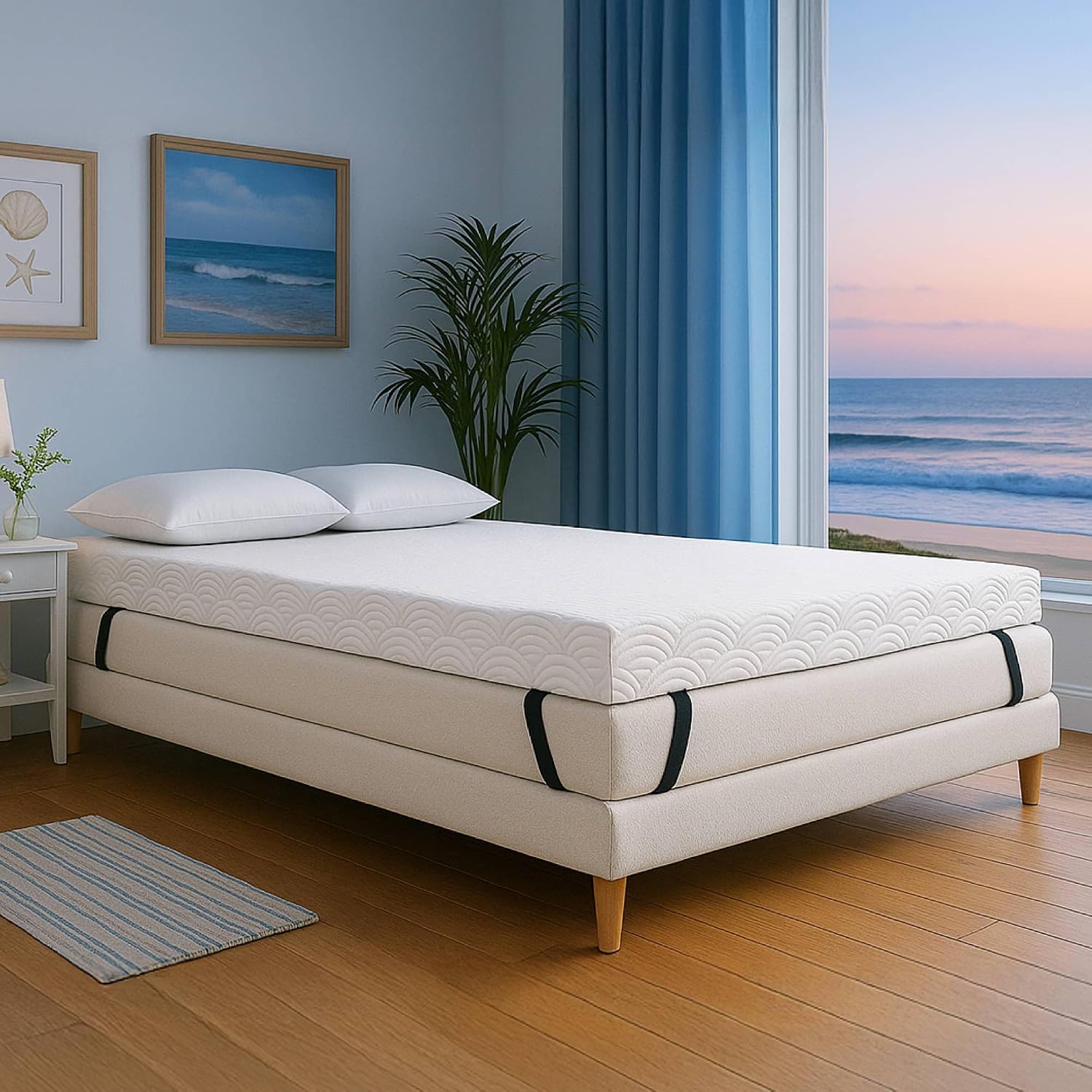
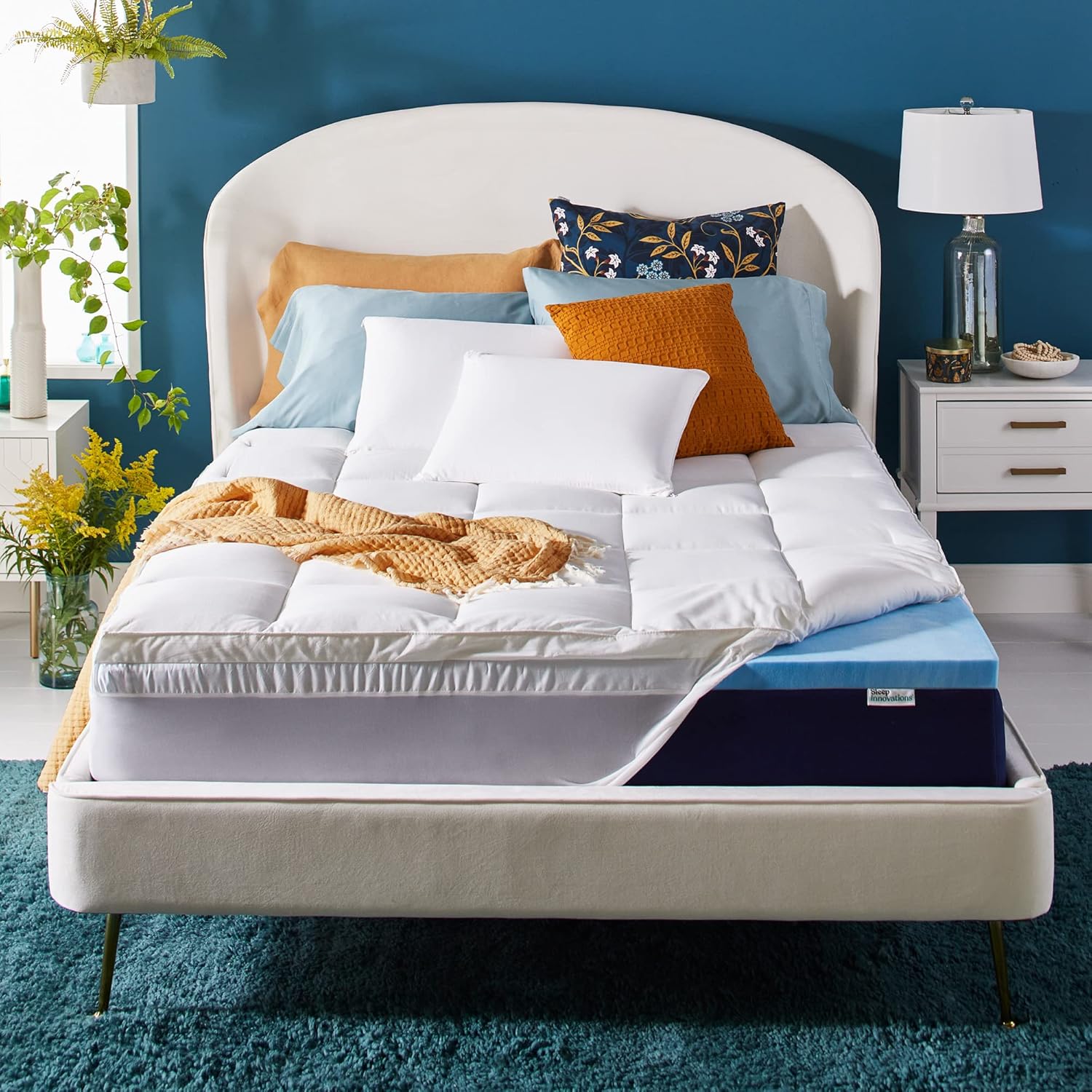
If you only do one thing, do this. A cooling topper sits between you and the heat-trapping surface below, and it's the closest you'll get to a new-mattress feel without buying one. Copper- and gel-infused toppers conduct heat away from your body; natural options like a wool or cotton pad add breathability without any synthetic heat trap.
2. Swap Your Sheets
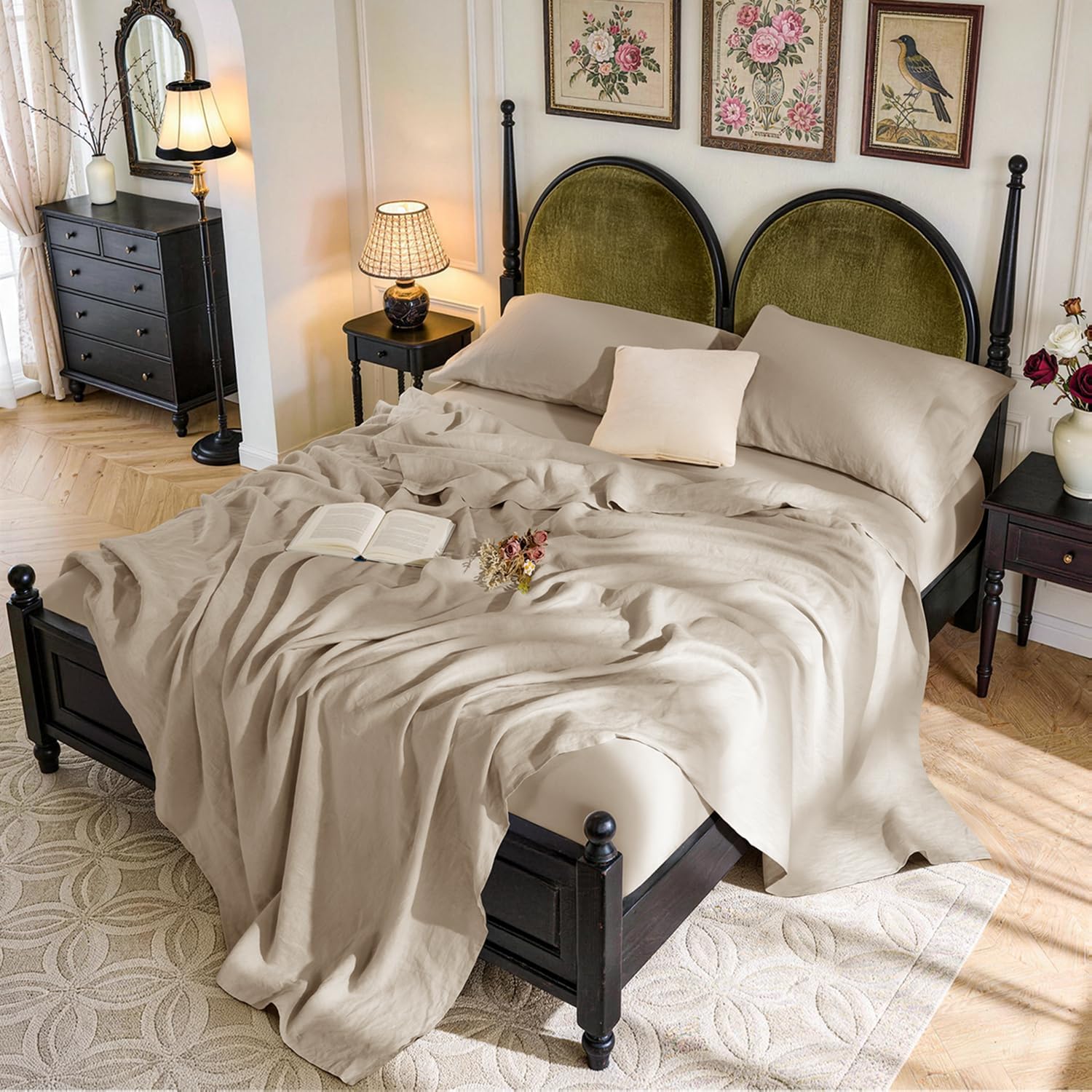
Polyester and microfiber sheets trap heat and hold moisture against your skin — undoing a lot of whatever cooling is happening underneath. Switching to a breathable natural fiber is cheap and makes a surprising difference. Cotton percale is crisp and airy, linen is the most breathable of all, and bamboo viscose feels cool to the touch and wicks moisture well.
3. Rethink Your Mattress Protector
This one's a hidden culprit. Many waterproof mattress protectors use a vinyl or plastic membrane that traps heat and sweat like a sheet of cling film. If you use a protector, switch to a breathable one — a cotton terry or bamboo protector with a thin, noiseless waterproof backing protects the mattress without turning it into a sauna.
4. Fix the Room, Not Just the Bed
Before you spend anything, dial in the basics: drop the thermostat a few degrees at night, run a fan for airflow (even just to move air across the bed), and switch a heavy synthetic duvet for a lightweight cotton or waffle-weave blanket. These cost little or nothing and compound with everything above. Our guide on how to sleep cool without air conditioning goes deep on this.
5. The Nuclear Option: Active Cooling
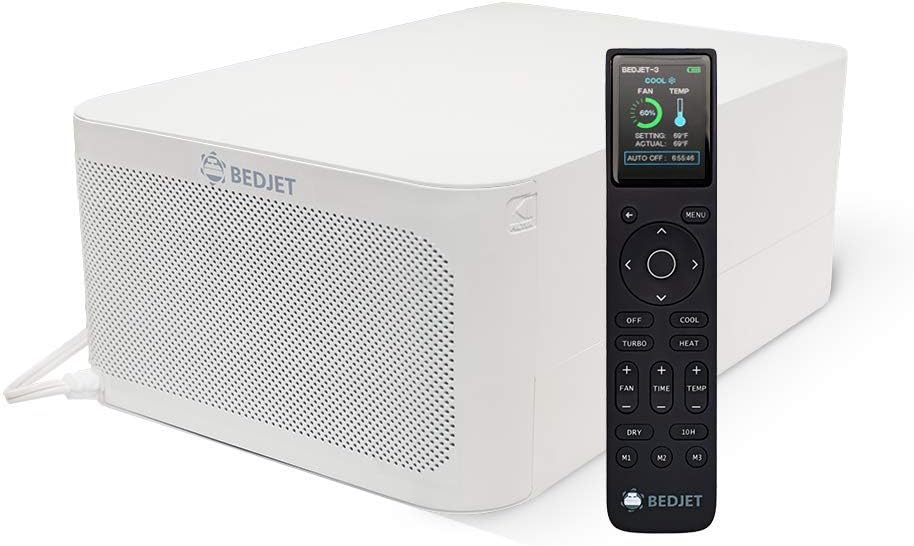
If your mattress runs truly hot — or you sweat heavily regardless of what you sleep on — an active cooling system is the most powerful fix that doesn't involve a new mattress. Instead of resisting heat, these remove it continuously all night. A BedJet forces cooled air under your sheets; a ChiliPad circulates temperature-controlled water through a pad on top of the bed.
Ranked: What to Try First
| Fix | Cost | Cooling Impact |
|---|---|---|
| Cooling topper | $$ | High — closest to a new mattress |
| Breathable sheets | $ | Medium — easy, noticeable |
| Breathable protector | $ | Medium — fixes a hidden heat trap |
| Room & airflow basics | Free–$ | Low–medium — compounds with the rest |
| Active cooling system | $$$ | Highest — removes heat all night |
You don't need a new mattress to stop sleeping hot. Start with a cooling topper — it's the biggest single upgrade — then swap to breathable sheets and a non-vinyl protector, and tidy up the room basics. If you still overheat, an active cooling system removes heat continuously no matter what's underneath. Stacked together, these can rival the feel of a new bed for a fraction of the cost. The one caveat: if your mattress is all-foam and sagging, these fixes buy time — eventually a hybrid or latex replacement is the real cure.