Walk through the "cooling" aisle of any bedding retailer and you'll find two completely different kinds of products wearing the same label. One kind resists heat. The other removes it. Understanding that difference is the key to actually stopping night sweats — because for a lot of people, the resisting kind was never going to be enough.
Here's the simplest way to frame it: passive cooling helps your body shed heat a little faster. Active cooling uses power to pull heat away all night long. Both have a place. The question is which one your situation actually calls for.
Passive Cooling: Helping Heat Escape
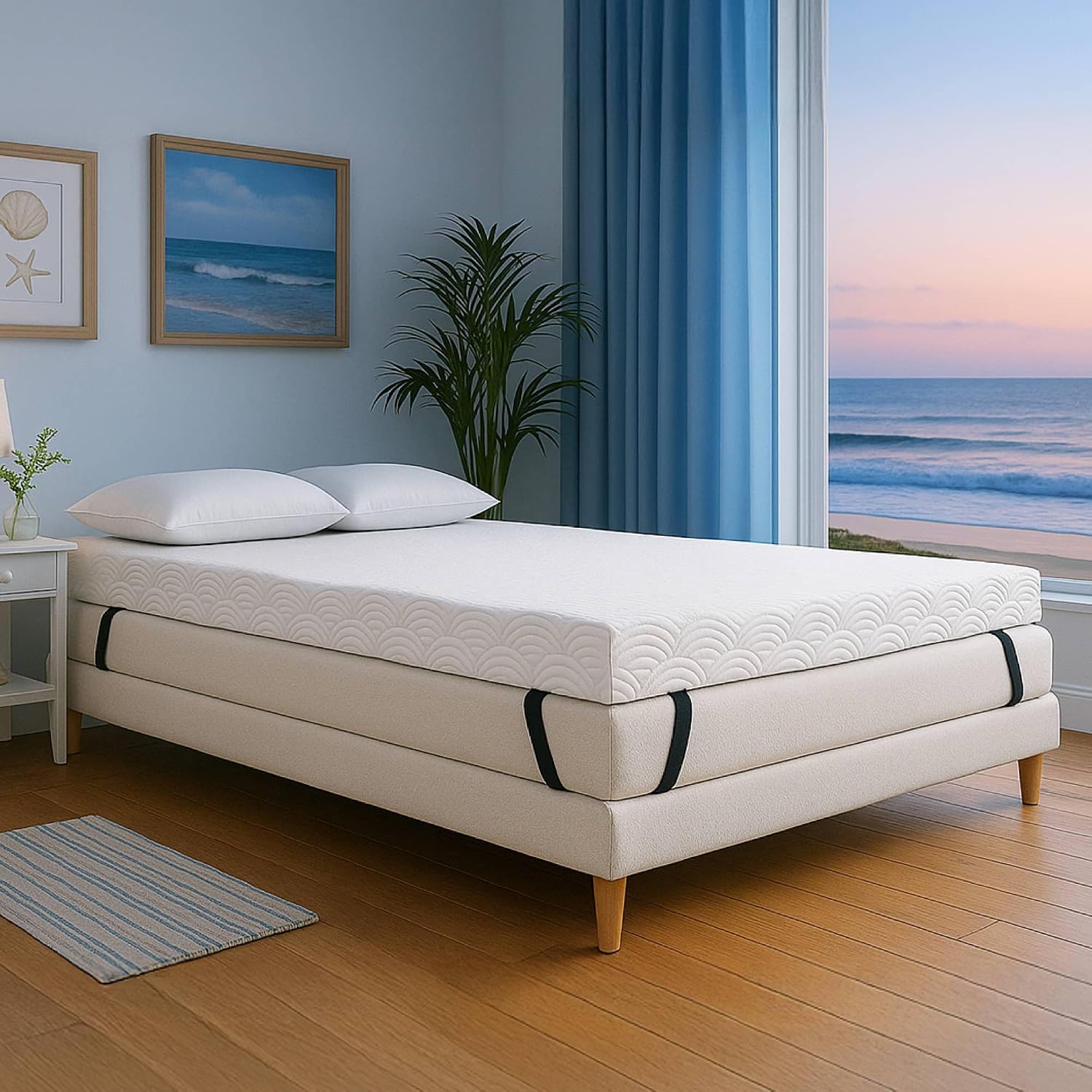
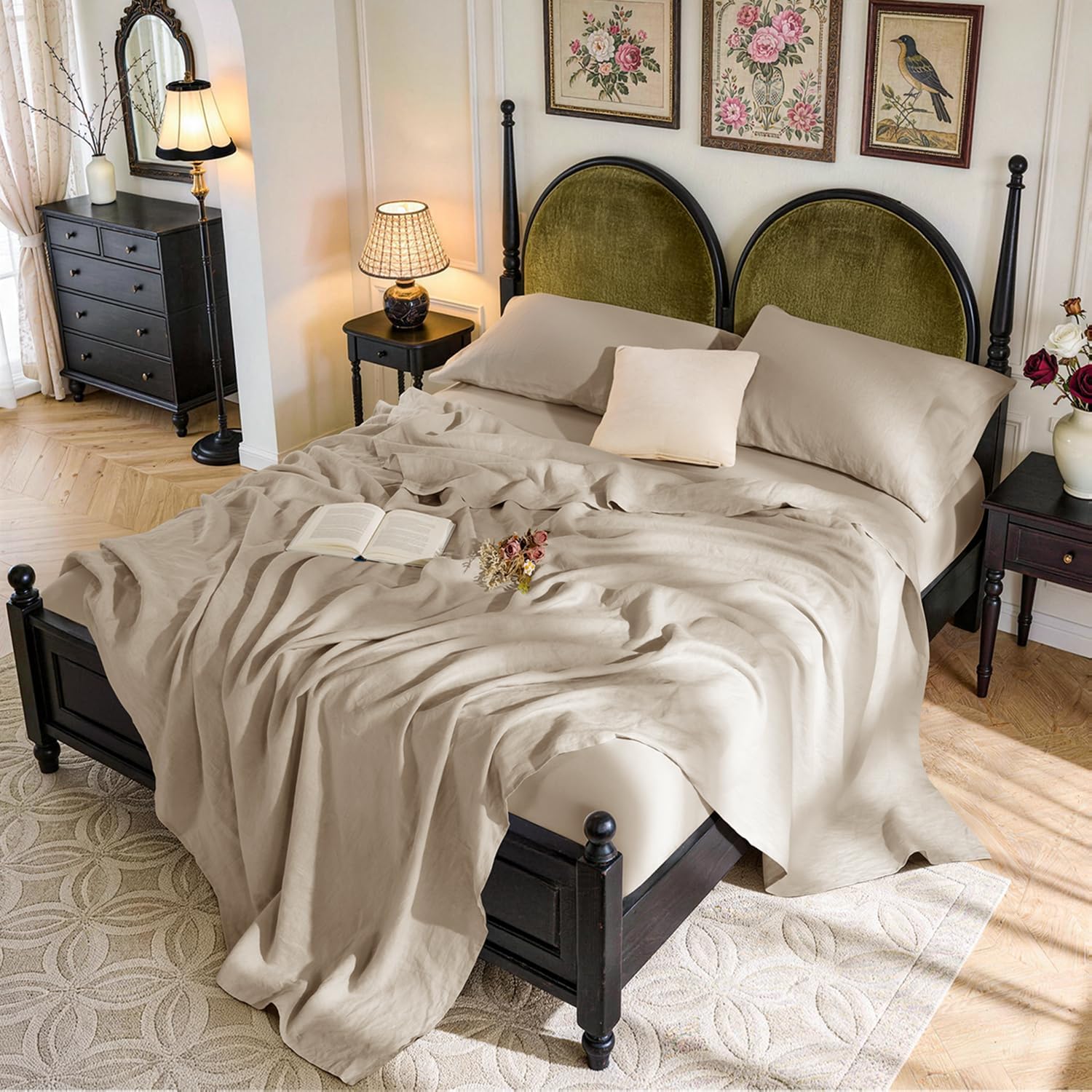
Passive cooling is everything that works without being plugged in — breathable materials and smart construction that give your body heat a path out. Copper- and gel-infused foams, natural latex, cotton percale, linen and bamboo sheets, and airflow-friendly coil mattresses all fall in this camp.
The strengths are obvious: passive cooling is affordable, silent, maintenance-free and uses no electricity. For mild to moderate hot sleepers, the right passive setup — a breathable mattress, a cooling topper and natural-fiber sheets — is often all it takes.
The limitation is physics. Passive materials can only move heat as fast as the surrounding air allows, and many "cooling" surfaces eventually warm to your body temperature and stop helping. They resist heat buildup; they can't actively remove heat that's already there.
Active Cooling: Removing Heat All Night
Active cooling systems do what passive materials can't: they keep removing heat continuously, for as long as they're running. Instead of waiting for heat to drift away on its own, they circulate air or temperature-controlled water to carry it off at the source.
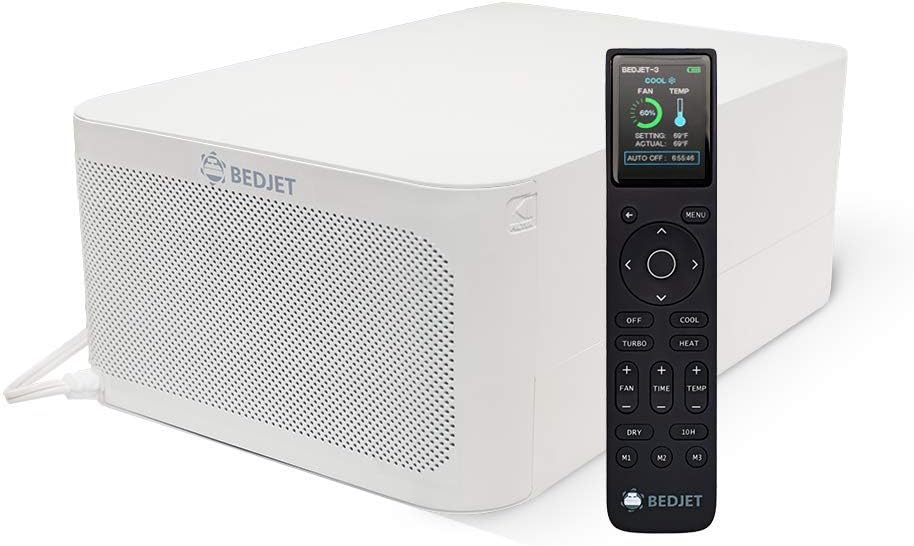
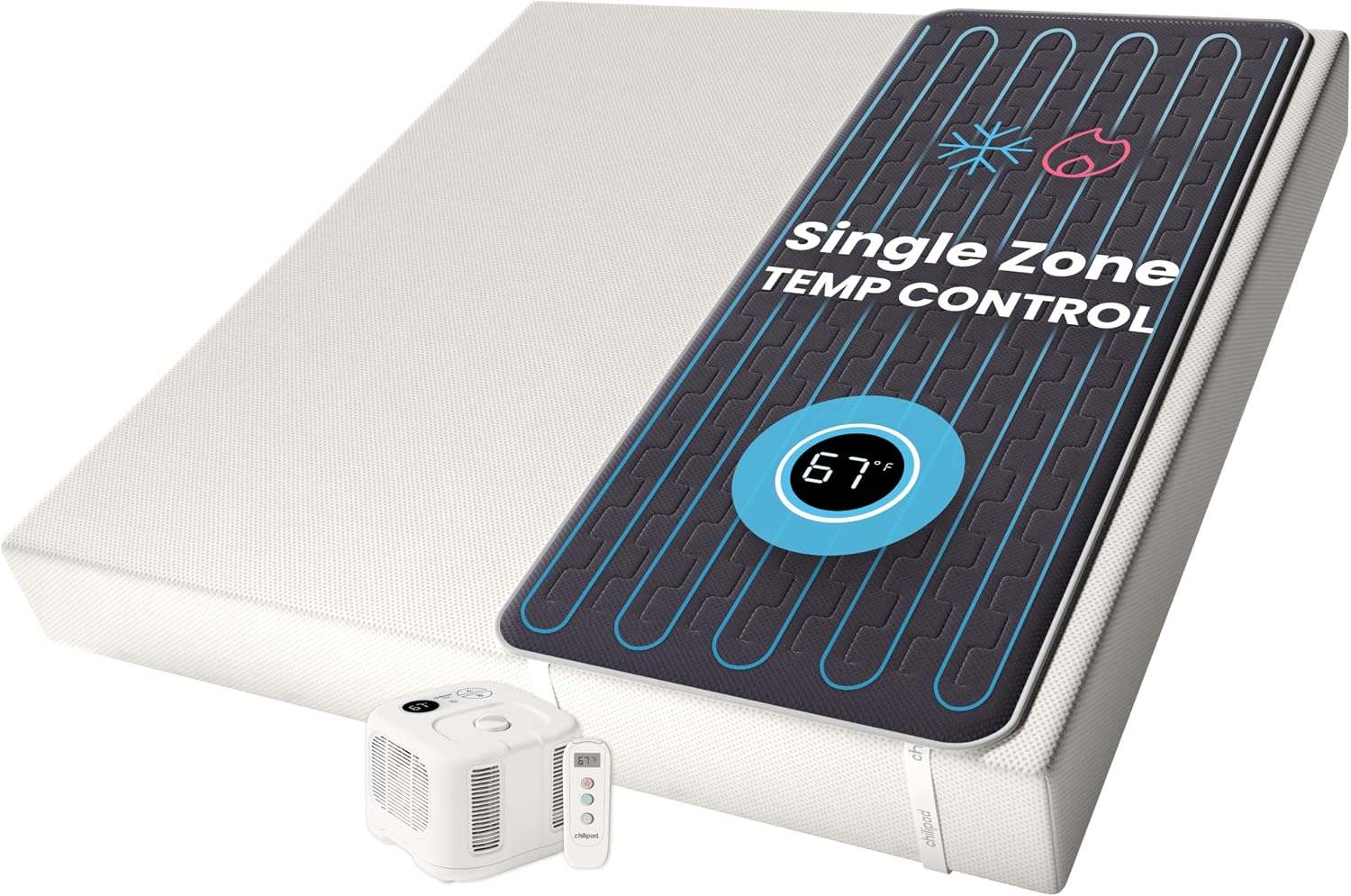
There are a few mechanisms on the market. Air systems like the BedJet force cooled air under your sheets. Water systems like the ChiliPad (and premium smart beds like the Eight Sleep Pod) run temperature-controlled water through a thin pad on top of your mattress. Newer entrants are pushing the category in interesting directions — waterless fan-based toppers like the Perfectly Snug, and budget water-cooled pads like Flux Sleep that drop the subscription and app in favor of a simple "set it and forget it" dial.
The payoff is real heat removal and precise, often adjustable, temperature control — some even offer dual zones so each side of the bed runs differently. The trade-offs are cost, the need for power, some noise, and occasional maintenance (water tanks need refilling). But for heavy sweaters and anyone whose overheating has a hormonal component, active cooling is frequently the only thing that works.
Which One Actually Stops Night Sweats?
It comes down to severity. If you run a little warm, a passive setup usually solves it — and it's cheaper, quieter and simpler. If you wake up drenched, kick the covers off every night, or your night sweats are tied to hormones or medication, passive cooling will take the edge off but rarely finishes the job. That's when active cooling earns its cost.
| Factor | Passive Cooling | Active Cooling |
|---|---|---|
| How it cools | Resists heat buildup | Removes heat continuously |
| Severe night sweats | Helps, rarely enough | ✅ Handles it |
| Cost | Low to moderate | Higher upfront |
| Power & noise | None — silent | Needs power, slight noise |
| Maintenance | Just washing | Occasional (water refills) |
| Best for | Mild to moderate hot sleepers | Heavy sweaters, hormonal heat |
Passive cooling resists heat; active cooling removes it. For most mild hot sleepers, a good passive setup is enough and far cheaper. For heavy or hormonal night sweats, active cooling is the only thing that keeps pulling heat away all night. Build the passive foundation first, then add an active system if the sweating persists — that layered approach solves overheating more reliably than betting everything on one or the other.