Night sweats have a lot of possible causes — hormones, medications, room temperature, bedding. But there's one cause people overlook because it sits right under them every night: the mattress itself. And if that mattress is made of memory foam, it's working against you.
The short answer is yes — memory foam can absolutely contribute to night sweats. It doesn't generate heat, but it does something almost as bad: it traps the heat your body already produces and holds it against your skin. Over the course of a night, that turns into the clammy, overheated feeling that wakes so many people up.
Why Memory Foam Traps Heat
Memory foam was designed to do one thing extremely well: conform to your body. When you lie down, the foam softens with your body heat and molds around you. That's what gives it the signature "hug." But that same property is exactly why it sleeps hot.
Think of memory foam like an insulator — because that's effectively what it is. A dense, closed-cell material that wraps around your body creates two problems at once:
- More surface contact — because the foam molds around you, far more of your skin is touching the mattress. Less of your body is exposed to open air that could carry heat away.
- No airflow — dense foam has no open channels for heat to escape through. The warmth your body gives off has nowhere to go, so it builds up in the layer right beneath you.
Early in the night, the foam quietly absorbs your body heat. But foam can only hold so much. By the middle of the night it reaches thermal equilibrium and starts radiating that stored heat back at you — which is precisely when most people wake up sweating. It's not your imagination that it gets worse as the night goes on. That's physics.
"But My Mattress Says Cooling Gel"
Here's the part the marketing won't tell you: gel infusions, copper particles and graphite dust added to memory foam provide a cool-to-the-touch sensation for the first hour or two — and then they stop mattering. Once the gel reaches your body temperature, the foam underneath behaves like any other memory foam and starts trapping heat again.
The hot-sleeper community has been saying this for years. Browse the mattress threads on Reddit and the consensus is blunt: "cooling gel" is a buzzword slapped onto a material that fundamentally traps heat. The infusion changes the surface feel, not the structure — and it's the structure that causes night sweats.
How to Fix It — Without Just Buying "Cooler Foam"
The real fix is airflow. You want heat to move through and out of the mattress rather than pooling at the surface. There are three ways to get there, in order of how dramatic the change is.
1. Switch to a hybrid or latex mattress
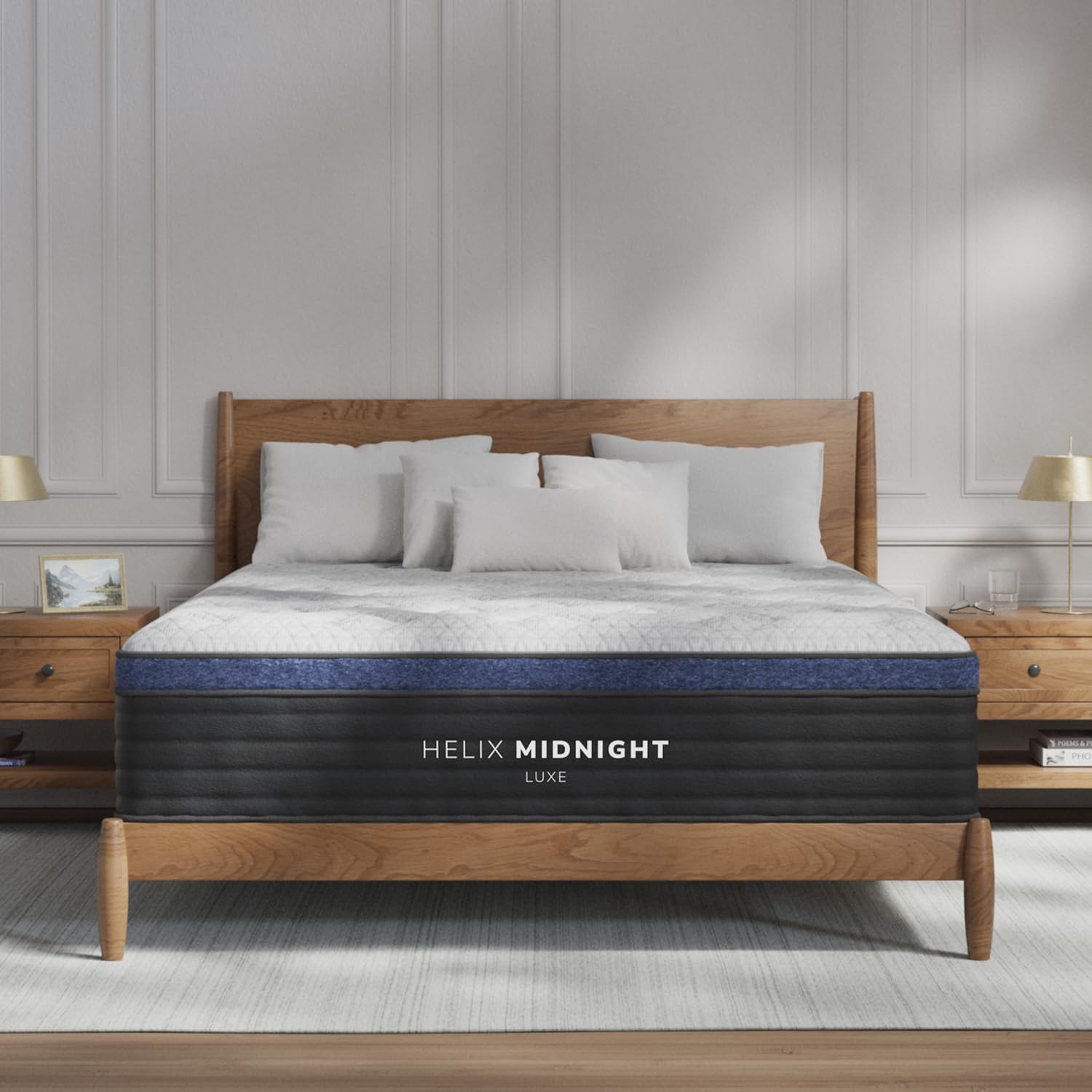
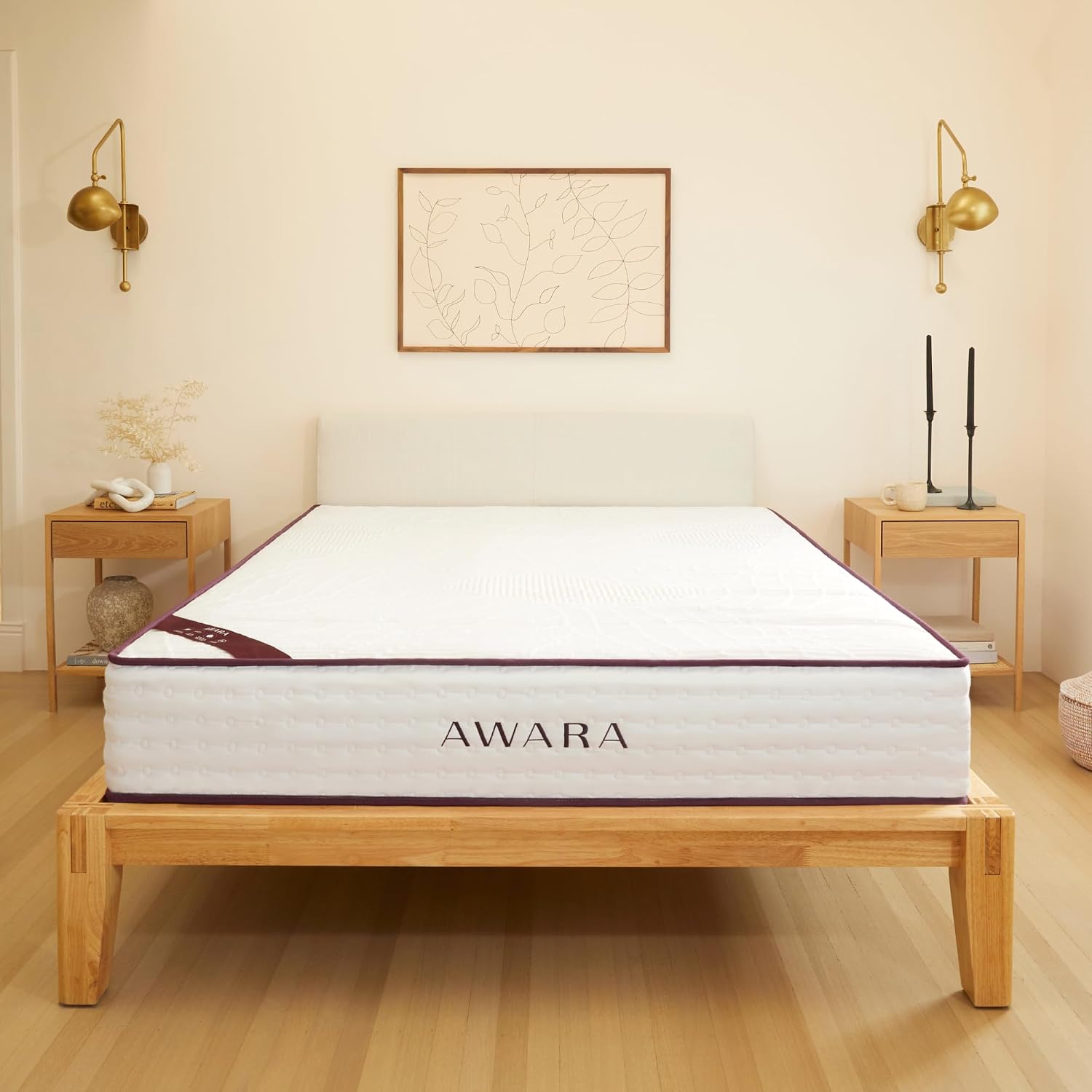
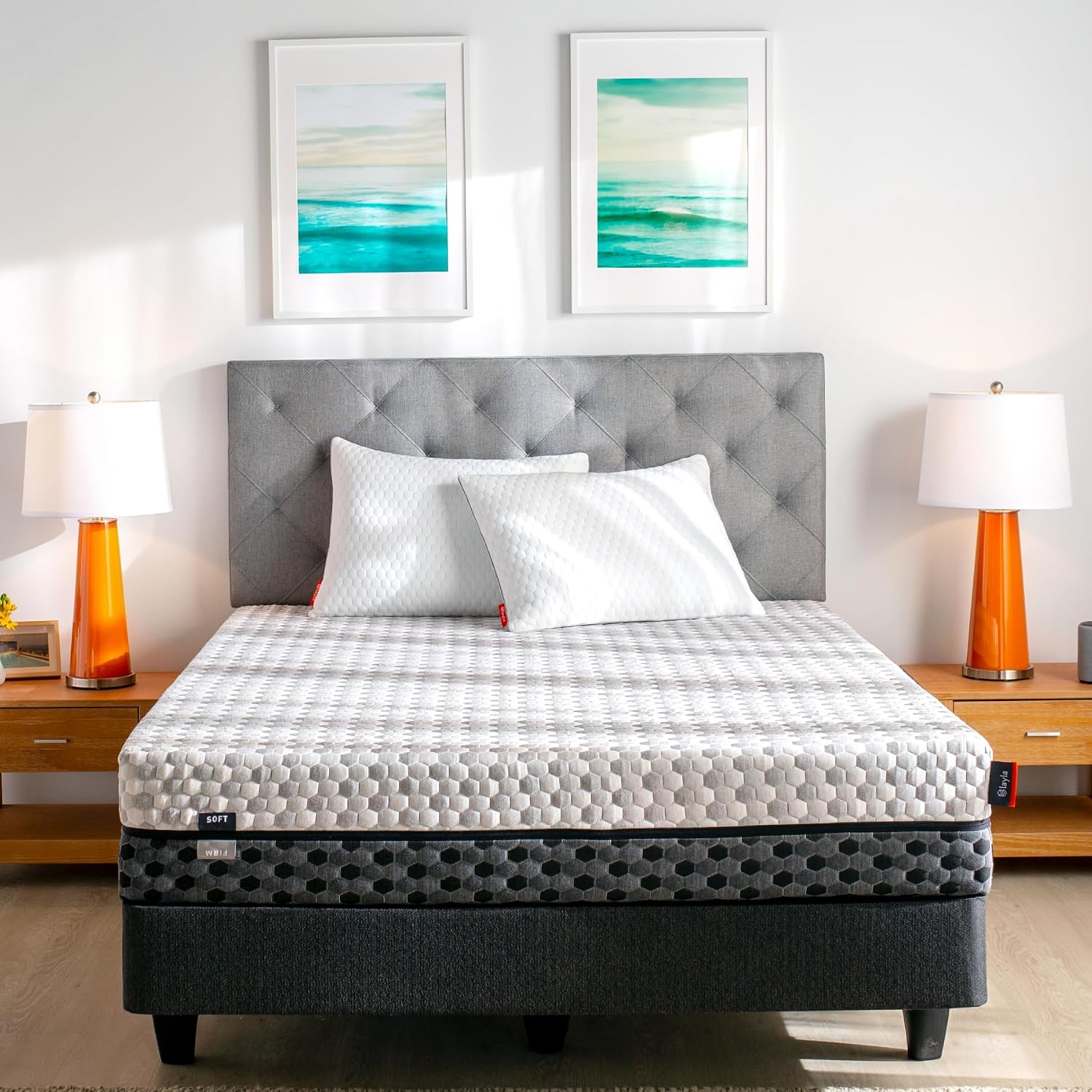
This is the single most effective change. A hybrid replaces the dense foam core with a layer of individually wrapped coils. The open spaces between those coils let heat escape downward and out the sides instead of collecting under your body. Pair that with natural materials — latex, wool or a breathable cover — and you have a mattress that actively sheds heat instead of storing it.
Natural latex deserves a special mention: it has an open-cell structure that breathes on its own, and it doesn't sink and cling the way memory foam does. Less contact plus more airflow is the exact opposite of what causes night sweats. You can see our full lineup on the cooling mattress picks page, but here are the standouts for anyone escaping a hot foam bed.
2. Add a breathable topper and swap your bedding
If a new mattress isn't in the budget yet, you can take the edge off a hot foam bed. A natural-fiber or breathable topper adds a layer between you and the heat-trapping foam, and switching from polyester sheets to cotton percale, linen or bamboo gives moisture somewhere to go. It won't fully solve a foam mattress's structure, but it can meaningfully reduce the sweating while you plan an upgrade. (We cover this in depth in our guide on making a hot mattress cooler.)
3. Add active cooling if you still overheat
For heavy sweaters — or anyone dealing with hormonal night sweats on top of a hot mattress — passive materials may not be enough. Active cooling systems remove heat continuously instead of just resisting it. A BedJet forces cooled air under your sheets; a ChiliPad or similar pad circulates temperature-controlled water through the bed. These are the only solutions that keep pulling heat away all night long, which is what truly severe night sweats require.
Memory Foam vs Cooling Alternatives
| Factor | Traditional Memory Foam | Hybrid / Latex |
|---|---|---|
| Heat behavior | Absorbs then radiates heat back | Lets heat escape through coils |
| Night sweats | ❌ Common trigger | ✅ Far less likely |
| Body contact | High — foam hugs and clings | Lower — more airflow around you |
| "Cooling gel" claims | Fades after 1–2 hours | Not needed — real airflow |
| Moisture wicking | Poor — synthetic, non-breathable | Good with wool/cotton/Tencel covers |
Memory foam doesn't make heat — but it traps the heat you make and sends it back, which is why it's such a common cause of night sweats. No amount of cooling gel changes that, because the problem is the dense structure, not the surface. The fix is airflow: a hybrid or latex mattress lets heat escape, a breathable topper and natural sheets help in the meantime, and an active cooling system handles the most severe cases. If you're waking up sweating on a foam mattress, that mattress is the first thing to change.