Waking up drenched in sweat is one of the most disruptive sleep problems you can have — and one of the most misunderstood. Night sweats have multiple potential causes, and the solution depends entirely on which one applies to you. Here's how to identify what's driving yours and what actually helps.
The term "night sweats" gets used loosely to describe anything from feeling a little warm at night to waking up with soaked sheets and pajamas. True night sweats — the kind that disrupt sleep and require a change of clothes or bedding — are worth taking seriously because they can signal anything from a simple environmental fix to an underlying medical issue that needs attention.
The good news is that the majority of night sweats have straightforward, fixable causes. Understanding which category yours falls into is the fastest path to actually solving the problem.
The Most Common Causes of Night Sweats
Cause 01 — Most Common
Heat-Trapping Bedding and Sleepwear
The single most common cause of night sweats is simply bedding that traps heat and moisture against your body. Polyester sheets, microfiber, and traditional all-foam mattresses all retain body heat rather than allowing it to dissipate. Tight-fitting synthetic sleepwear compounds the problem. This type of night sweat has nothing to do with your body's temperature regulation — your bedding is just creating a heat trap. The fix is straightforward: switch to breathable natural materials.
Cause 02
Room Temperature Too High
Sleep researchers recommend keeping your bedroom between 65°F and 68°F for optimal sleep quality. If your room runs warmer than this — especially in summer — your body will sweat to compensate. This is normal thermoregulation, not a medical issue. The fix is a combination of room cooling strategies and better bedding that compensates for the higher ambient temperature.
Cause 03
Hormonal Changes
Menopause is the most well-known hormonal cause of night sweats — the decline in estrogen disrupts the body's temperature regulation system, triggering sudden intense heat episodes. Perimenopause, pregnancy and hormonal fluctuations during the menstrual cycle can all cause similar symptoms. Men can also experience hormonal night sweats, particularly related to testosterone fluctuations. Hormonal night sweats tend to be more intense and more sudden than bedding-related sweating.
Cause 04
Alcohol and Spicy Food Before Bed
Alcohol causes blood vessels to dilate and raises core body temperature — the sweating that follows is your body trying to cool down. Spicy food triggers a similar response through capsaicin. Both effects can persist for several hours, meaning a drink or spicy meal at dinner can easily cause night sweats at 2am. Avoiding alcohol and very spicy food within three hours of bedtime is one of the fastest lifestyle fixes for night sweats.
Cause 05
Stress and Anxiety
Psychological stress activates the sympathetic nervous system — the fight-or-flight response — which raises heart rate, increases body temperature and triggers sweating. If you go to bed stressed or anxious, your body may continue this stress response during sleep. Night sweats from stress tend to occur alongside other sleep disturbances like racing thoughts, frequent waking or difficulty falling asleep.
Cause 06 — See a Doctor
Medical Conditions and Medications
Several medical conditions can cause night sweats, including infections, thyroid disorders, diabetes, sleep apnea and certain cancers. Many medications — including antidepressants, blood pressure medications and some diabetes drugs — list night sweats as a side effect. If your night sweats are severe, persistent, accompanied by fever or unexplained weight loss, or started after a new medication — see a doctor. These categories are outside the scope of bedding solutions.
How to Stop Night Sweats — By Cause
For Bedding-Related Night Sweats
This is the most fixable category and the one where cooling bedding makes the biggest difference. The priority order for changes:
⭐
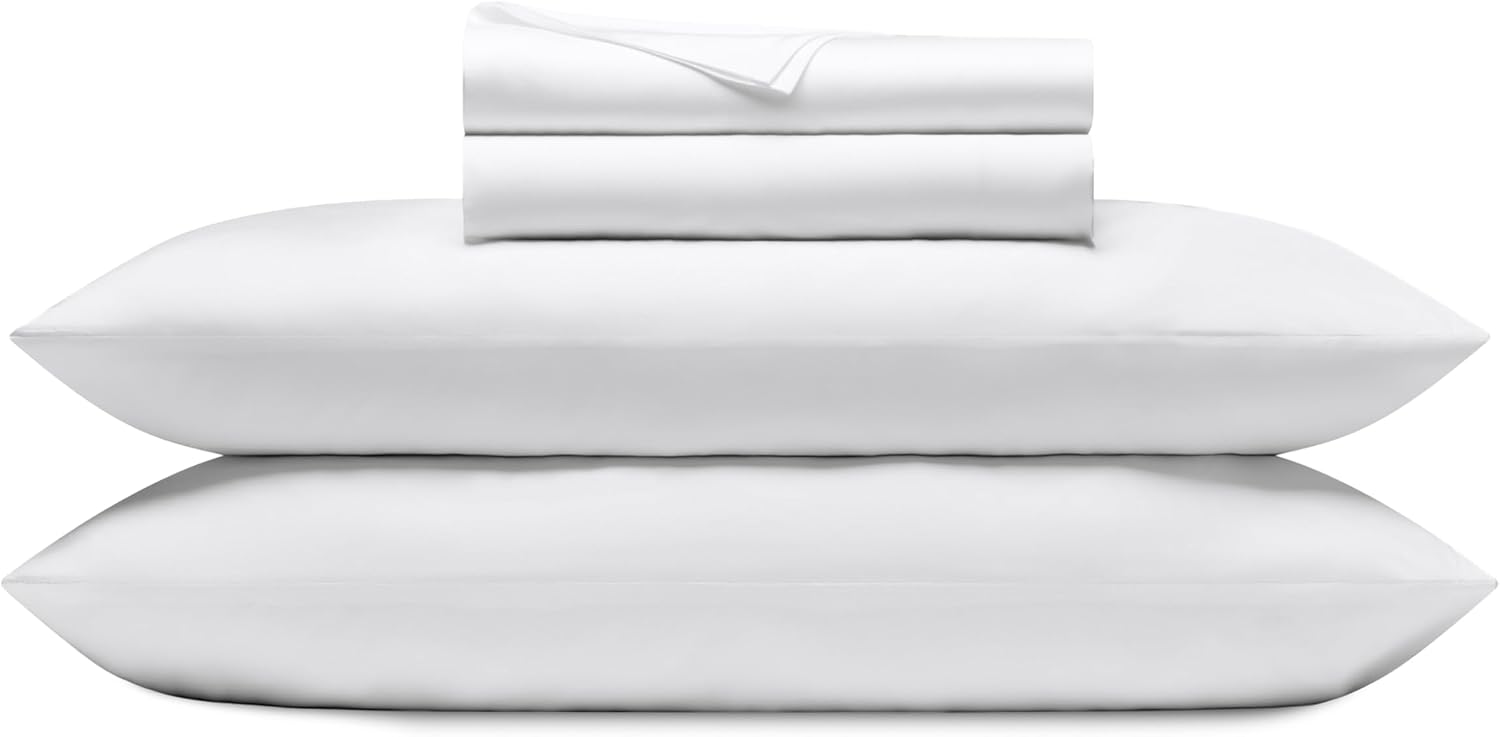
Step 1 — Switch Your Sheets
THREAD SPREAD 100% Egyptian Cotton Sheet Set
100% Egyptian cotton sateen weave — naturally breathable and cool all night. Wicks moisture away from your skin. Well reviewed by Amazon customers for cooling and moisture management.
Shop on Amazon →
⭐
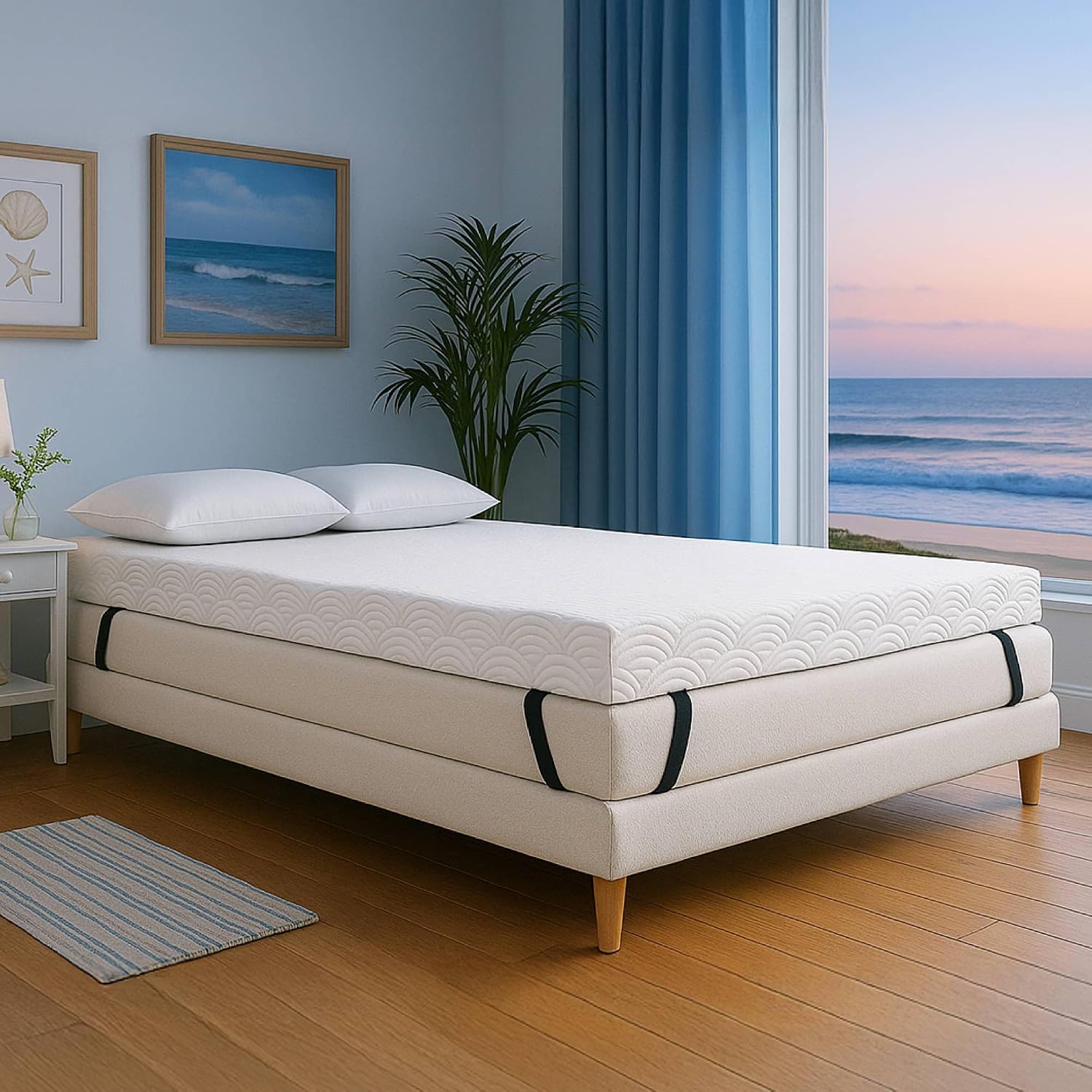
Step 2 — Add a Cooling Topper
ViscoSoft Active Cooling Copper Topper
Copper-infused foam conducts heat away from your body continuously — addressing the mattress heat retention problem. Bamboo-blend cover adds moisture wicking at the same time. Well reviewed by Amazon customers for night sweat management.
Shop on Amazon →
⭐
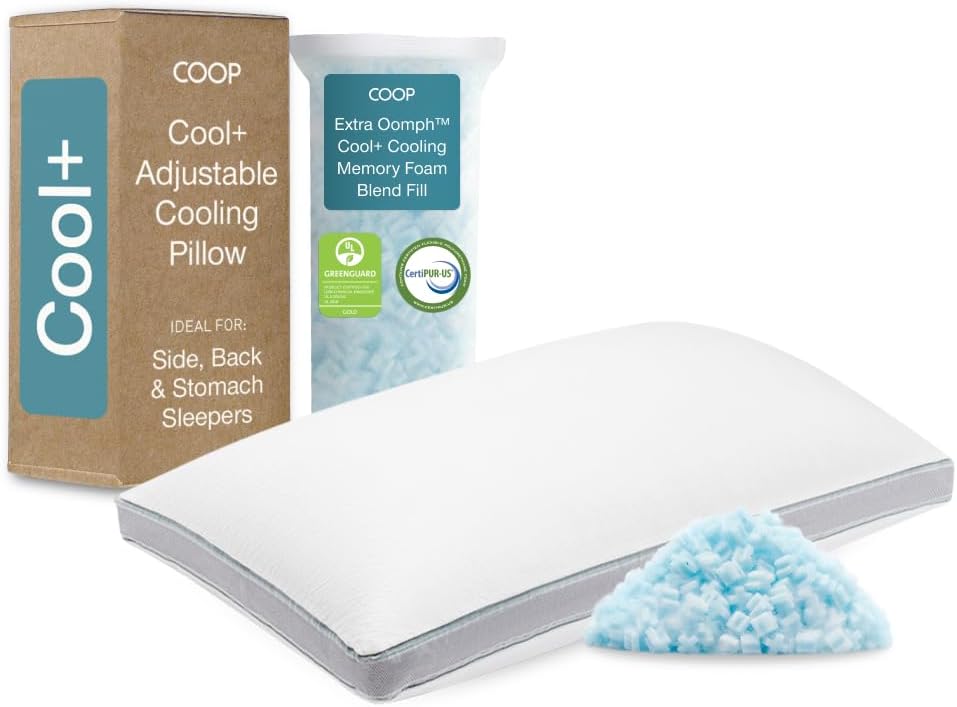
Step 3 — Upgrade Your Pillow
Coop Home Goods Cool+ Adjustable Pillow
Gel-infused shredded foam with a Lulltra cover that actively wicks heat and moisture away from your head and face. Well reviewed by Amazon customers for reducing night sweat discomfort at the pillow level.
Shop on Amazon →
For Room Temperature Night Sweats
Cross-ventilate your bedroom by opening windows on opposite sides of the room. Place a fan facing outward to exhaust warm air rather than just circulating it. Keep curtains closed during the day on sun-facing windows to prevent heat buildup. A lukewarm shower before bed helps your body begin cooling down before you get into bed. See our full guide: How to Sleep Cool Without Air Conditioning.
For Hormonal Night Sweats
Cooling bedding is still the most effective environmental intervention for hormonal night sweats — bamboo sheets and a copper topper address the heat and sweat at the point of contact even when the underlying cause is hormonal. For menopause-specific guidance see our full article: Best Cooling Bedding for Menopause Hot Flashes.
For Lifestyle-Related Night Sweats
Avoid alcohol within three hours of bedtime. Reduce or eliminate spicy food at dinner. Establish a calming pre-sleep routine to reduce stress activation before bed — light stretching, reading, or a lukewarm shower all help lower your core temperature and stress response before sleep.
The Bottom Line
Most night sweats have a fixable cause. Start with your bedding — switching to bamboo viscose sheets and adding a copper-infused topper eliminates the most common cause entirely. If night sweats persist after fixing your sleep environment, look at lifestyle factors like alcohol and stress. If they're severe, sudden or accompanied by other symptoms, see a doctor. The bedding fixes work immediately regardless of the underlying cause — they just address different parts of the problem.
Frequently Asked Questions
What is the most common cause of night sweats?
The most common cause of night sweats is heat-trapping bedding — specifically polyester sheets, microfiber fabrics and traditional all-foam mattresses that retain body heat and moisture against your skin. This is a simple environmental fix, not a medical issue. Switching to bamboo viscose sheets and a copper-infused mattress topper resolves bedding-related night sweats for most people within the first night.
How do I stop night sweats naturally?
The most effective natural approaches are switching to bamboo viscose sheets, adding a cooling mattress topper, taking a lukewarm shower before bed, avoiding alcohol and spicy food within three hours of bedtime, and keeping your bedroom as cool as possible. Together these changes address the most common causes of night sweats without medication. If night sweats persist after making these changes, consult a doctor to rule out medical causes.
When should I see a doctor about night sweats?
See a doctor if your night sweats are severe enough to soak through clothing and bedding, if they're accompanied by fever, unexplained weight loss or other symptoms, if they started after beginning a new medication, or if they persist after addressing all the common environmental and lifestyle causes. Night sweats can occasionally indicate an underlying medical condition that requires proper diagnosis and treatment.
Does alcohol cause night sweats?
Yes — alcohol causes blood vessels to dilate and raises core body temperature, triggering sweating as your body tries to cool down. This effect can persist for several hours after drinking, causing night sweats well after you've fallen asleep. Even moderate alcohol consumption at dinner can trigger night sweats at 2am. Avoiding alcohol within three hours of bedtime is one of the fastest lifestyle fixes for alcohol-related night sweats.
Can stress cause night sweats?
Yes — psychological stress activates the fight-or-flight response which raises body temperature and triggers sweating. If you're going to bed stressed or anxious this response can continue during sleep. Stress-related night sweats typically occur alongside other sleep disturbances like racing thoughts and frequent waking. Addressing the stress through relaxation techniques, limiting screen time before bed and establishing a consistent sleep routine can help reduce stress-related night sweating.