Whether your AC is broken, you don't have one, or you're trying to keep your electricity bill under control, sleeping cool without air conditioning is entirely possible. The right combination of bedding, airflow management and sleep habits can keep your bedroom sleeping significantly cooler — even in summer.
Most people think of air conditioning as the only real solution for sleeping hot. The reality is that the majority of heat buildup during sleep comes from your bedding — not the room itself. Swapping synthetic, heat-trapping fabrics for breathable natural alternatives often makes a bigger difference than dropping the thermostat several degrees.
That said, controlling your sleep environment and your bedding together produces the best results. Here are the strategies that actually work, starting with the highest impact changes.
1. Start With Your Bedding
Highest Impact
Switch to Bamboo Sheets
Bamboo viscose is the single most impactful bedding change a hot sleeper can make without air conditioning. The naturally porous fiber structure wicks moisture and allows airflow in a way that cotton, polyester and microfiber simply cannot match. Most hot sleepers notice the difference from the first night — bamboo sheets sleep measurably cooler than cotton at the same room temperature.
⭐
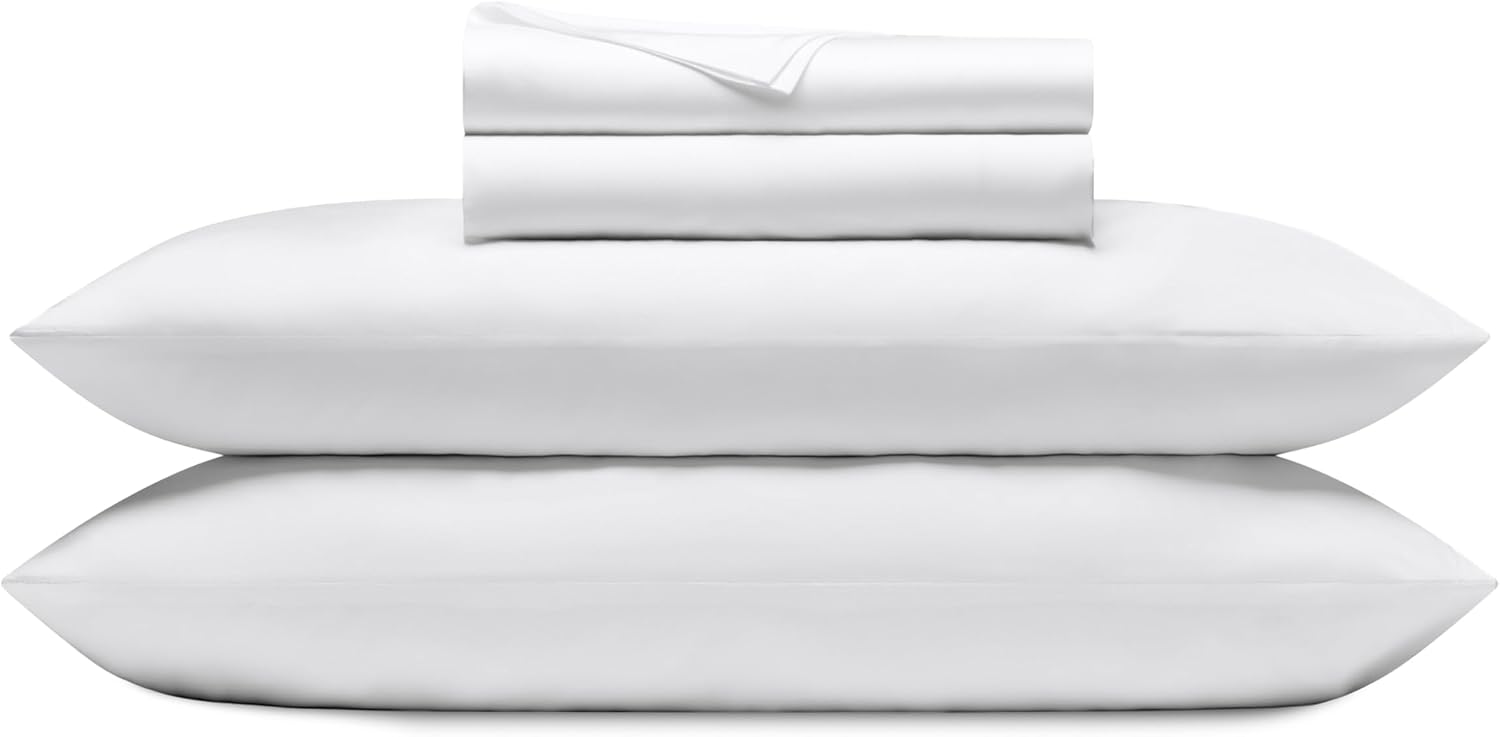
Our Top Sheet Pick
THREAD SPREAD 100% Egyptian Cotton Sheet Set
Cool to touch, silky smooth 100% bamboo viscose. Consistently well reviewed by Amazon customers for hot sleepers. 100-day trial and 10-year warranty.
Shop on Amazon →
2. Add a Cooling Mattress Topper
High Impact
Use a Copper or Gel Topper
Your mattress absorbs and retains body heat all night — particularly traditional all-foam mattresses. A cooling mattress topper creates a temperature-regulating layer between your body and the mattress. Copper-infused toppers actively conduct heat away. Gel-infused toppers absorb and dissipate it. Either is a meaningful improvement over sleeping directly on a heat-retaining mattress without air conditioning.
⭐
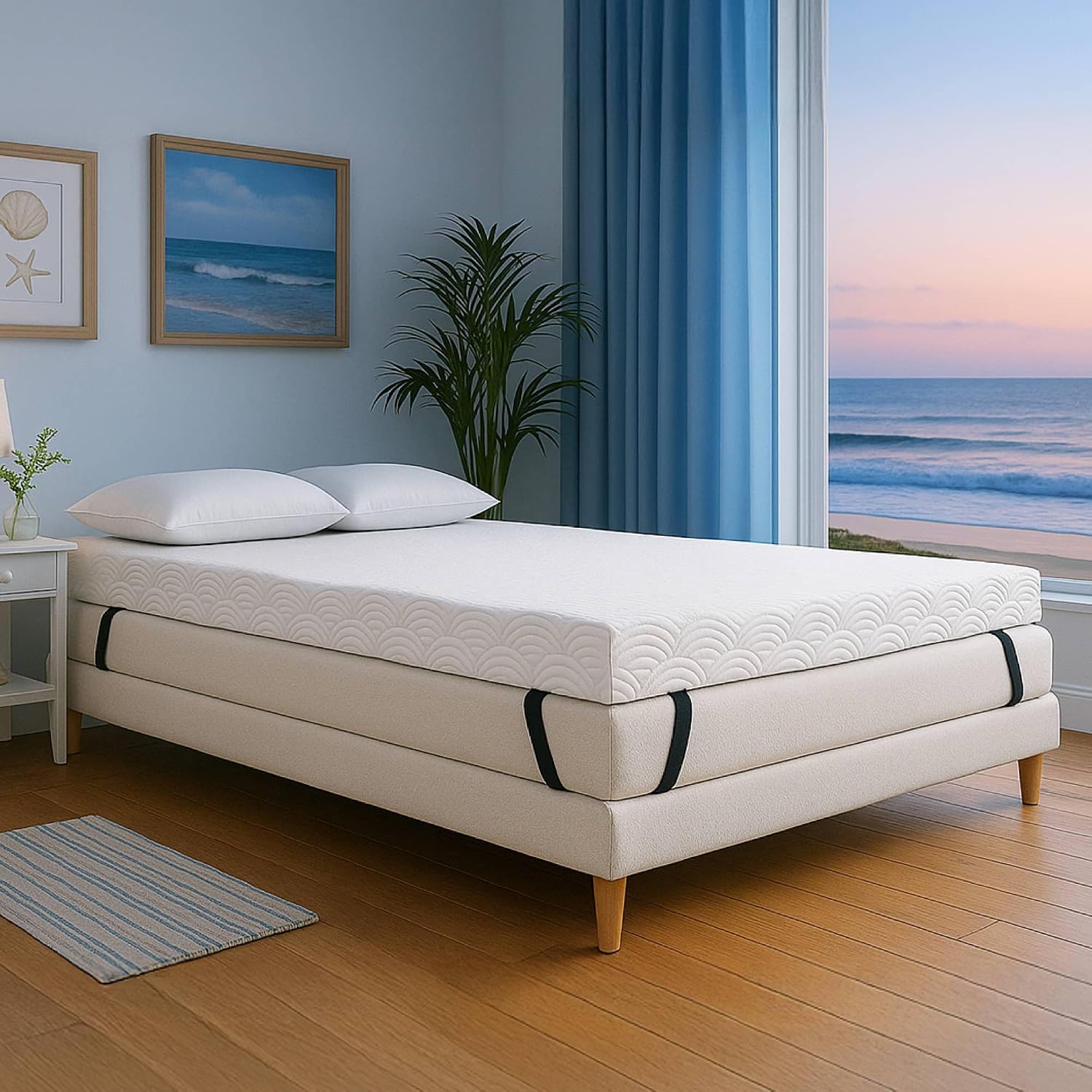
Our Top Topper Pick
ViscoSoft Active Cooling Copper Topper
Copper-infused foam actively conducts heat away from your body. Bamboo-blend cover wicks moisture at the same time. Well reviewed by Amazon customers for cooling performance.
Shop on Amazon →
3. Manage Your Bedroom Airflow
High Impact — Free
Cross-Ventilate at Night
Open windows on opposite sides of your bedroom to create cross-ventilation — warm air exits on one side while cooler outside air enters on the other. This works best in the late evening and early morning when outdoor temperatures drop. Place a fan in the window facing outward to actively pull warm air out of the room rather than just circulating it. During the day keep curtains closed on sun-facing windows to prevent heat buildup.
Medium Impact — Low Cost
Use a Fan Strategically
A ceiling fan set to run counterclockwise in summer creates a wind chill effect that can make a room feel several degrees cooler. A box fan in the window facing outward exhausts hot air more effectively than one facing inward. For a DIY cooling boost, place a shallow bowl of ice in front of a desk fan — the air passing over the ice drops in temperature before reaching you.
4. Cool Your Body Temperature Down Before Bed
High Impact — Free
Take a Lukewarm Shower Before Sleep
A lukewarm or slightly cool shower before bed triggers your body's thermoregulation response — your core body temperature drops as your skin cools, which is the same process that signals your body to sleep. A cold shower can actually be counterproductive because it causes your body to generate heat in response. Lukewarm is the target. This is one of the most effective and completely free strategies for sleeping cooler.
Medium Impact — Free
Wear Lightweight Natural Fiber Sleepwear
Loose, lightweight cotton or bamboo sleepwear breathes significantly better than synthetic fabrics. Tight-fitting polyester or nylon sleepwear traps heat against your skin in the same way synthetic sheets do. If you sleep in the nude, bamboo sheets become even more important since there's no fabric buffer between your skin and the bedding surface.
5. Reduce Heat Sources in Your Bedroom
Medium Impact — Free
Eliminate Heat-Generating Electronics
Electronics generate heat even on standby. TVs, computers, gaming consoles and phone chargers all produce ambient heat that accumulates in a bedroom overnight. Turn off and unplug anything you don't need while sleeping. Even a phone charging on the nightstand generates heat. Charge devices in another room if possible.
Medium Impact — Free
Lower Your Body Heat Before Getting Into Bed
Avoid heavy exercise, spicy food and alcohol within two hours of bedtime — all three raise core body temperature and can keep you warmer for hours after. A light, cool meal and calm activity in the evening gives your body time to begin cooling down before you get into bed. Eating a large hot meal right before sleep is one of the most common — and easily fixable — reasons people overheat at night.
6. Upgrade Your Pillow
Medium-High Impact
Switch to a Cooling Pillow
Your pillow is in direct contact with your head and neck all night — areas where your body dissipates significant heat. A dense memory foam pillow traps this heat and reflects it back at you continuously. Switching to a shredded foam pillow with a cooling cover or a gel-infused pillow is often one of the fastest improvements a hot sleeper notices without air conditioning.
⭐
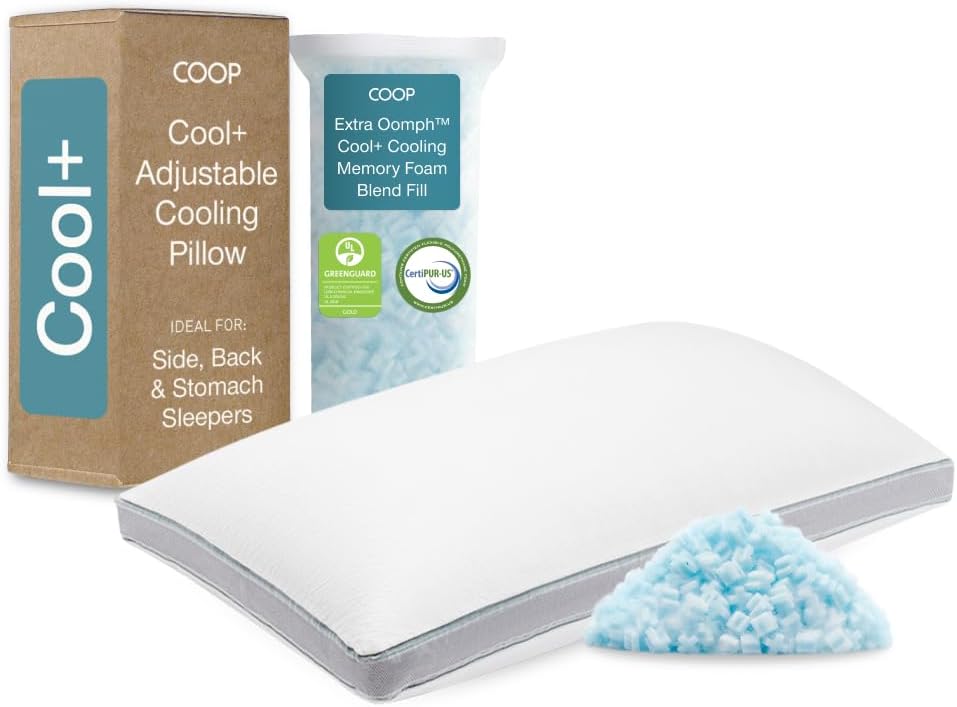
Our Top Pillow Pick
Coop Home Goods Cool+ Adjustable Pillow
Gel-infused shredded foam with a Lulltra cover that wicks heat away from your head and neck. Adjustable fill for personalized support. Well reviewed by Amazon customers for hot sleepers.
Shop on Amazon →
The Full System
The most effective approach combines bedding upgrades with environment management. Bamboo sheets and a cooling topper address heat at the sleep surface. Cross-ventilation and fan placement manage room temperature. A lukewarm shower and light evening routine give your body a head start on cooling down before you get into bed. Together these strategies can make sleeping without air conditioning genuinely comfortable — even on warm summer nights.
Frequently Asked Questions
How can I sleep cool without air conditioning?
The most effective strategies are switching to bamboo viscose sheets, adding a cooling mattress topper, cross-ventilating your bedroom at night and taking a lukewarm shower before bed. Together these changes address heat from your bedding, your room and your body temperature simultaneously — which is more effective than any single strategy alone.
What is the best bedding for sleeping without AC?
Bamboo viscose sheets are the best bedding choice for sleeping without air conditioning. They sleep measurably cooler than cotton because of their porous fiber structure that wicks moisture and allows airflow. Pair them with a copper or gel-infused mattress topper to address heat buildup from the mattress itself.
Does putting ice in front of a fan actually cool a room?
Yes — placing a bowl of ice in front of a fan drops the temperature of the air passing over it before it reaches you. It's a temporary effect that lasts as long as the ice does, but it's a legitimate short-term cooling strategy for hot nights without AC. It works best in a small bedroom with good airflow and won't cool an entire house.
Does a cold shower before bed help you sleep cooler?
A lukewarm shower is more effective than a cold shower for sleep. A very cold shower can trigger a warming response as your body fights to maintain core temperature. A lukewarm shower — slightly cooler than body temperature — triggers the thermoregulation response that signals your body to cool down and begin the sleep process. This is one of the most effective and completely free strategies for hot sleepers.
What temperature should my bedroom be for sleep without AC?
Sleep researchers recommend keeping your bedroom between 65°F and 68°F for optimal sleep quality. Without air conditioning, you may not be able to hit this exact range — but quality cooling bedding can compensate for several degrees of room temperature. Bamboo sheets and a cooling topper can make a room that feels like 75°F sleep like one that's significantly cooler.