If memory foam leaves you waking up hot, latex is the material most likely to fix it. It breathes where foam suffocates, it springs back instead of hugging heat against your body, and it lasts for years. Here is why latex sleeps cooler, and the specific latex mattresses worth buying.
Hot sleepers almost always trace the problem back to one thing: a mattress that holds heat instead of releasing it. Memory foam is the usual culprit. It softens with body heat and wraps around you, which maximizes contact and chokes off airflow, so warmth has nowhere to escape. Latex does close to the opposite, and that difference is why it keeps coming up as the best material for people who run hot.
Why Memory Foam Sleeps Hot, and Latex Does Not
Memory foam is a dense, closed-cell material. The same quality that gives it that slow, sink-in hug also traps air and heat. As the night goes on, the foam warms, softens, and cups more of your body, and the heat you generate has no path out. That is the exact recipe for waking up sweaty.
Latex is an open-cell material with a naturally bouncy, responsive feel. It does not collapse around you, so less of your body is pressed into a warm surface, and its open structure lets air move through instead of sealing it in. You get pressure relief without the heat trap.
What Makes Latex Cooler
- Open-cell structure, air flows through the material continuously instead of being sealed in like it is with memory foam.
- Responsive, not sinking, latex pushes back and keeps you on top of the surface, so your body is not buried in a heat pocket.
- Pairs with coils, most of the best latex beds are hybrids, and the coil layer adds a second airflow channel that vents heat out the sides.
- Natural-fiber covers, quality latex beds use wool or cotton covers that wick moisture and regulate temperature, which matters as much as the core.
Dunlop vs Talalay vs Hybrid Latex
You will see a few terms when shopping. Dunlop latex is denser and firmer, more supportive and longer lasting. Talalay latex is lighter and softer with a slightly springier feel. Both breathe far better than memory foam. A hybrid latex mattress puts latex comfort layers over a pocketed-coil base, and for hot sleepers that is usually the sweet spot: you get the breathability of latex plus the airflow and support of coils.
Our Top Latex Picks for Hot Sleepers
⭐
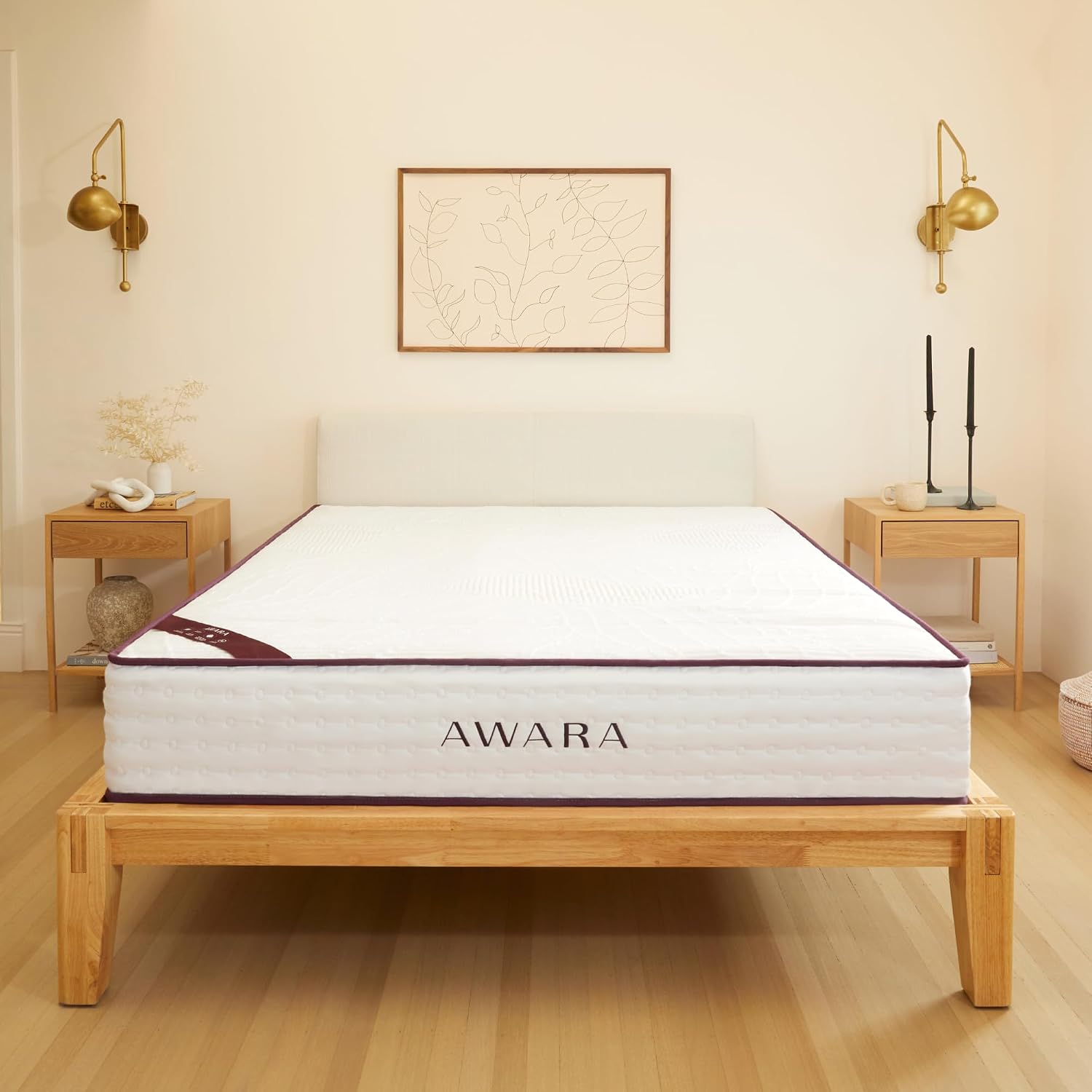
Best Natural Latex Hybrid
Awara Natural Hybrid Latex Mattress
Certified organic Dunlop latex over individually wrapped coils with a New Zealand wool cover. The latex breathes, the coils vent heat, and the wool wicks moisture, so you sleep cool without any synthetic foam trapping warmth against you. 365-night trial.
Shop on Amazon →
⭐
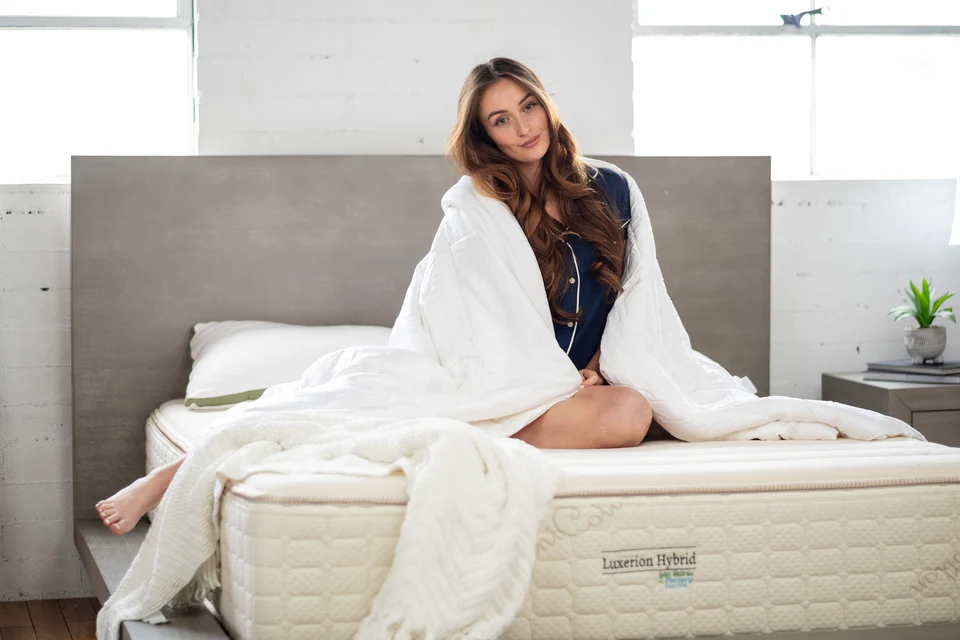
Best Latex Value
Luxerion Hybrid Latex Mattress
Natural latex comfort layers over a pocketed-coil base at a price well under the big latex brands. The open-cell latex and coil airflow keep the surface temperature-neutral all night, a strong pick if you want real latex without the premium markup. Direct from Luxerion.
Shop Direct →
⭐
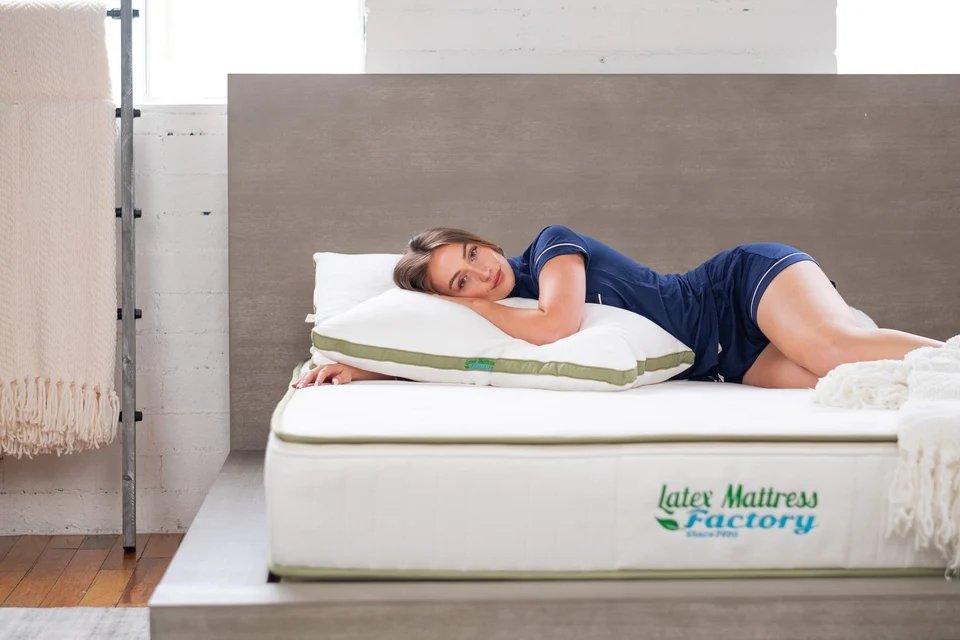
Best Firm Latex Feel
Luxerion Dunlop Latex Mattress
All-Dunlop latex for sleepers who want a firmer, more supportive surface that still breathes. Dunlop is the denser, longer-lasting latex process, and with no memory foam anywhere in the build there is nothing to sink into and trap heat. Direct from Luxerion.
Shop Direct →
⭐
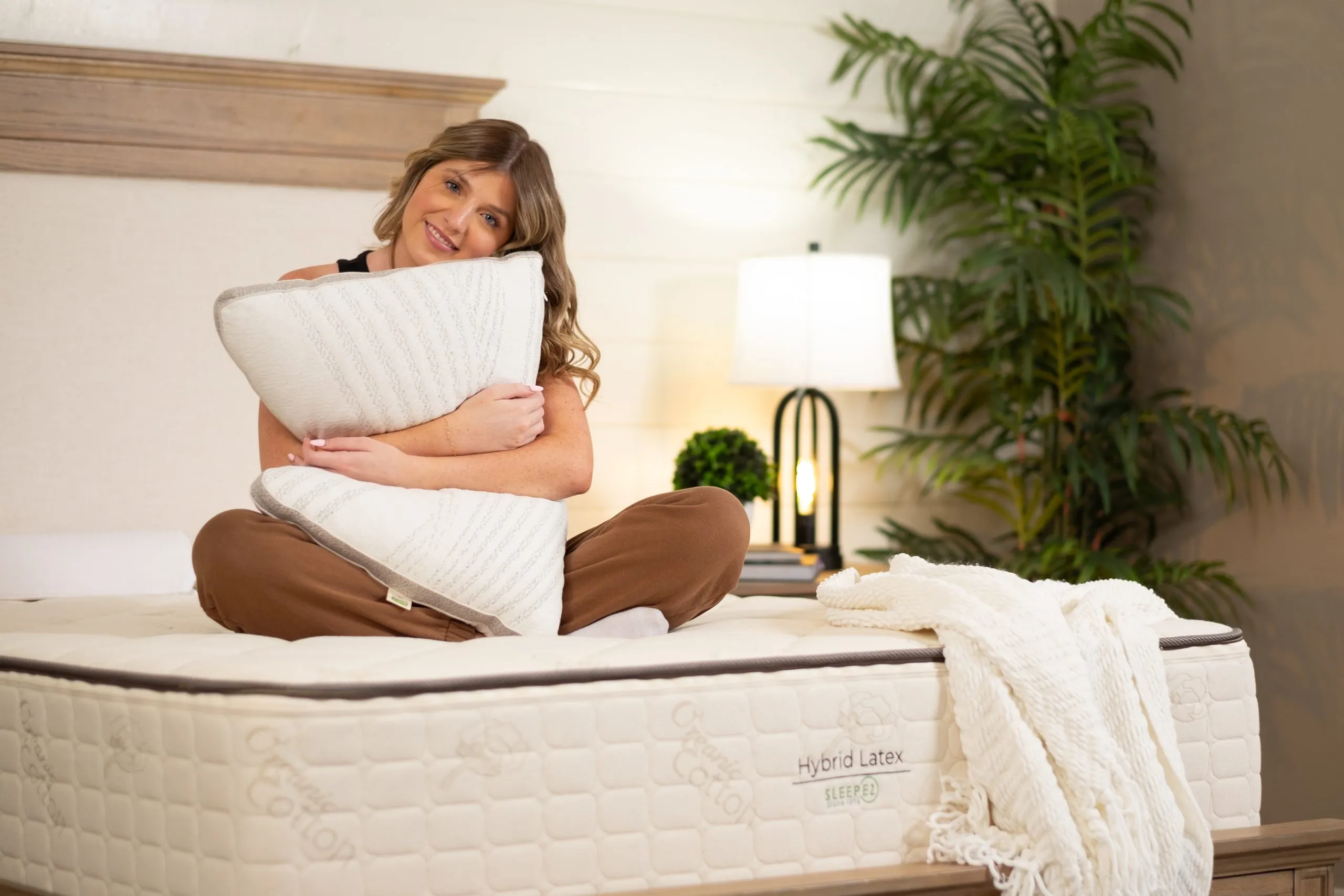
Best Customizable Latex
SleepEZ Hybrid Latex Mattress
A hybrid latex bed you can configure by firmness, with natural latex layers over coils. Latex plus coils is the coolest-sleeping combination you can buy, and being able to dial in the feel means you are not stuck with a surface that fights you. Direct from SleepEZ.
Shop Direct →
| Material |
Airflow |
Heat Recovery |
Good for Hot Sleepers? |
| Memory foam |
Poor, closed-cell, sinks in |
Slow, holds heat |
❌ Avoid |
| Gel/copper foam |
Moderate |
Better, but still foam |
✅ Okay |
| Natural latex hybrid |
Excellent, open-cell + coils |
Fast, breathes + wicks |
✅ Best |
The Bottom Line
If memory foam is cooking you, latex is the upgrade that actually solves it. Its open-cell structure and responsive feel keep air moving and keep you on top of the surface instead of buried in it. A natural latex hybrid, like the Awara, gives you latex breathability plus coil airflow, and Luxerion and SleepEZ offer the same cooling benefit at a friendlier price. Pair any of them with breathable natural-fiber sheets and you have the coolest-sleeping setup money can buy.
Frequently Asked Questions
Is latex really cooler than memory foam?
Yes, and it is not close. Memory foam is closed-cell and sinks around you, trapping heat and cutting off airflow. Latex is open-cell and responsive, so air keeps moving and less of your body is pressed into a warm surface. For hot sleepers, latex is one of the most reliable fixes there is.
Dunlop or Talalay latex for hot sleepers?
Both breathe far better than foam, so either works. Dunlop is denser, firmer, and more durable, which is why it shows up in value picks like the Luxerion Dunlop. Talalay is softer and springier. If you want a firmer, longer-lasting bed go Dunlop, and if you want a plusher feel go Talalay or a hybrid that blends latex with coils.
Is a latex hybrid better than all-latex for cooling?
For most hot sleepers, yes. A latex hybrid adds a pocketed-coil base under the latex, and those coils create a second path for heat to vent out the sides of the mattress. You get latex breathability plus coil airflow, which is why hybrids like the Awara and Luxerion Hybrid are our top cooling picks.
Does latex last longer than memory foam?
Generally yes. Natural latex, especially Dunlop, is one of the most durable mattress materials and resists the body impressions and sagging that foam develops over time. You pay more up front, but a quality latex bed often outlasts two foam mattresses.