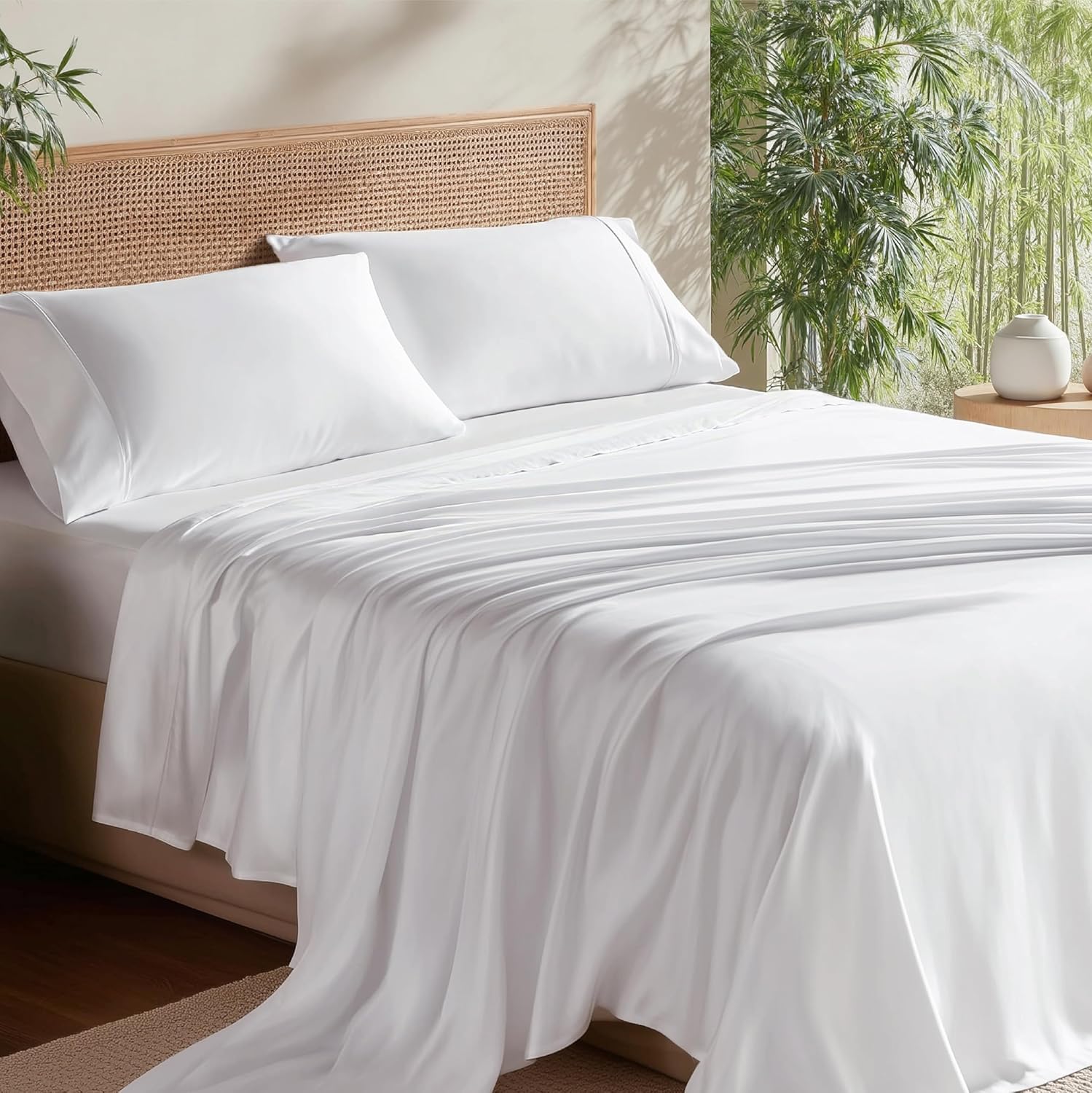
The confusion is understandable because both involve being uncomfortably hot during sleep. But the underlying mechanisms are different, the intensity is different and critically — the bedding and lifestyle solutions that work best for each are somewhat different. Getting this distinction right saves you from buying the wrong thing and wondering why it didn't help.
What Is a Hot Sleeper?
A hot sleeper is someone who consistently generates more body heat during sleep than average — or whose sleep environment doesn't dissipate heat fast enough. Hot sleepers tend to feel warm or uncomfortable throughout the night, kick off covers, and prefer a cooler room temperature to sleep comfortably. The experience is chronic and consistent — it's just how you sleep, every night, regardless of season or stress levels.
Being a hot sleeper is largely a function of metabolism, body composition and personal thermoregulation. People with higher metabolic rates, more muscle mass or certain health conditions tend to generate more heat during sleep. It's not a medical problem — it's simply a physiological characteristic that requires the right sleep environment to manage.
What Are Night Sweats?
Night sweats are episodes of excessive sweating during sleep that are intense enough to soak through clothing or bedding. Unlike the general warmth a hot sleeper feels, night sweats are often sudden and can occur even when the room is cool. They can wake you up, require a change of clothes or sheets and disrupt sleep significantly more than simply feeling warm.
Night sweats have specific triggers — hormonal changes, alcohol, stress, certain medications or underlying medical conditions. They can happen to people who don't consider themselves hot sleepers at all. The sweating is a physiological response to an internal trigger rather than simply the result of a warm environment or inefficient bedding.
Key Differences — Side by Side
| Factor | Hot Sleeper | Night Sweats |
|---|---|---|
| Consistency | Every night, year-round | Can be episodic or cyclical |
| Intensity | General warmth and discomfort | Intense sweating, often soaking |
| Wake-ups | May or may not wake you | Often wake you up |
| Primary cause | Metabolism and environment | Hormones, alcohol, stress, medications |
| Bedding fix? | Yes — highly effective | Helps significantly — addresses symptoms |
| Medical concern? | Rarely | Sometimes — worth investigating |
Can You Be Both?
Yes — and many people are. Someone who naturally runs hot and also experiences hormonal night sweats has both problems compounding each other. The same applies to a hot sleeper who drinks alcohol regularly — the alcohol-triggered sweating is layered on top of an already warm sleep situation.
For people in this category the bedding solution is the same — cooling sheets, copper topper and a cooling pillow address both problems simultaneously — but the lifestyle interventions (avoiding alcohol, managing stress, consulting a doctor for hormonal issues) are also important for the night sweats component specifically.
What Bedding Works Best for Each
For hot sleepers — the priority is creating a sleep environment that dissipates heat consistently throughout the night. Bamboo viscose sheets, a copper or gel-infused topper and a shredded foam cooling pillow address the three main contact points where heat builds up. The focus is on continuous airflow and heat conduction rather than moisture management specifically.
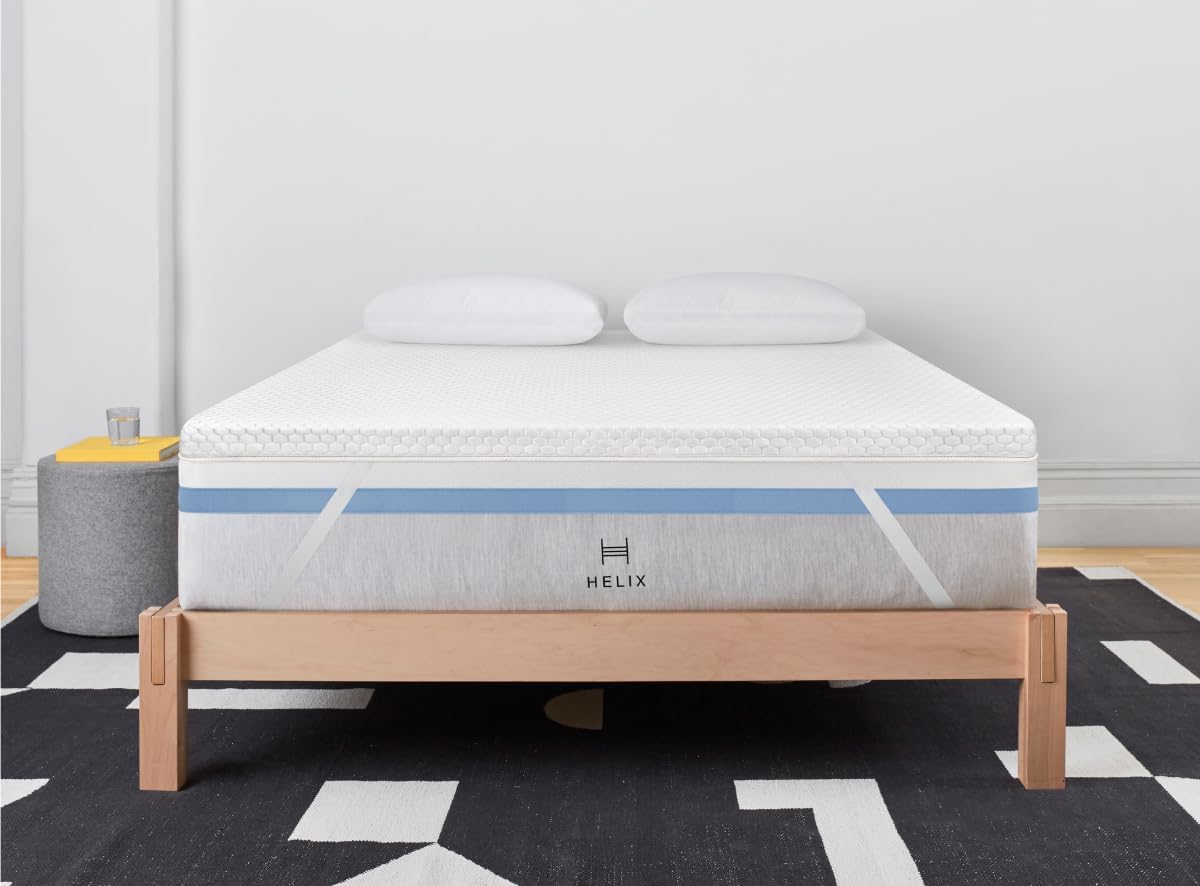
For night sweats — moisture wicking becomes the additional priority on top of cooling. Copper-infused toppers with bamboo covers address both heat and sweat simultaneously. The cover material at the sheet and pillow level matters more for night sweats than for hot sleeping in general because the moisture management is critical.
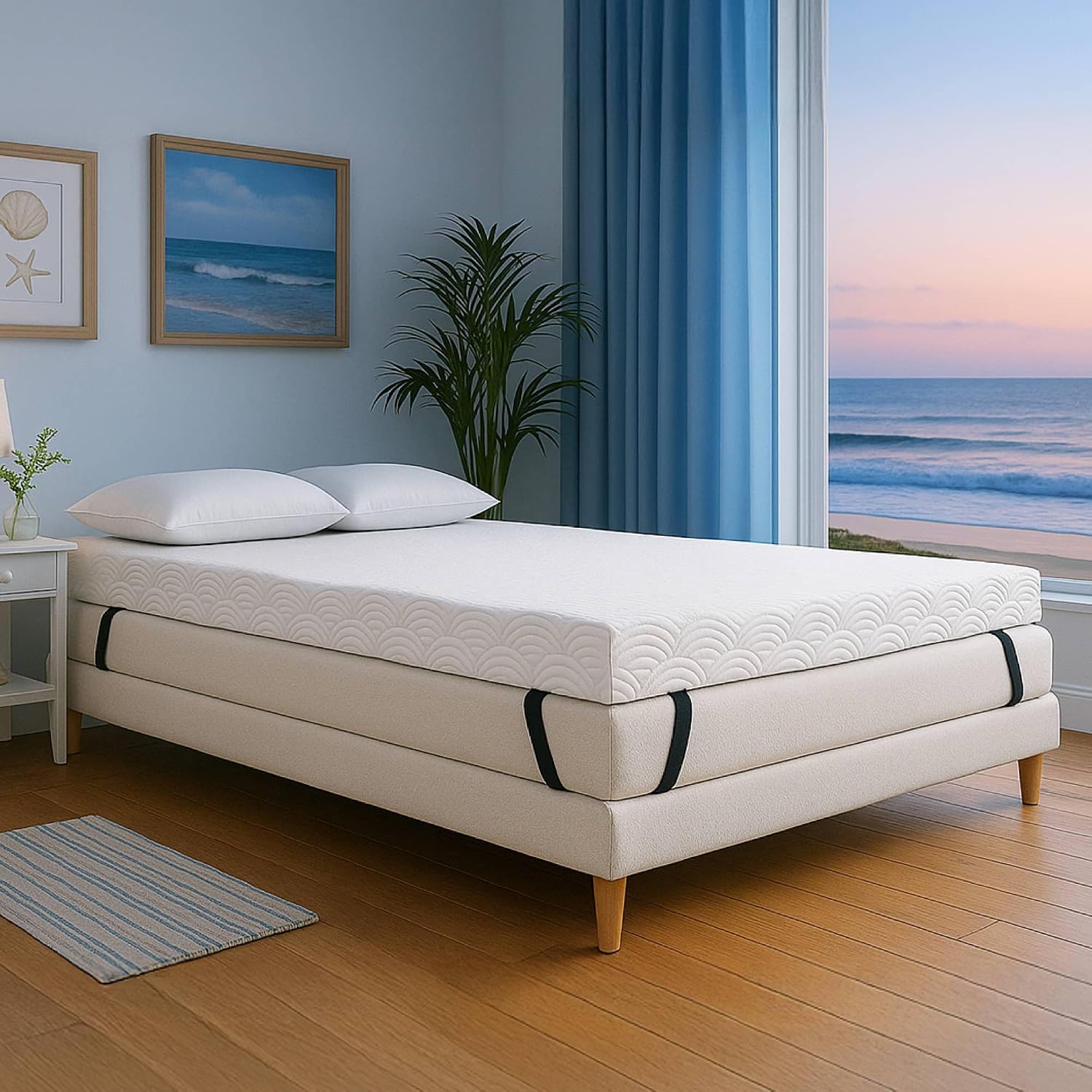
Hot sleepers run warm consistently — the fix is cooling bedding that dissipates heat throughout the night. Night sweats are intense sweating episodes with specific triggers — the fix is moisture-wicking bedding plus addressing the underlying trigger. If you're not sure which you are, bamboo viscose sheets and a copper topper work well for both — they address the heat and moisture components simultaneously regardless of which category you fall into.