The "bamboo is cooler" claim has become so widespread in bedding marketing that it's easy to dismiss as just another sales pitch. But there's genuine fiber science behind it — bamboo viscose has structural properties that cotton doesn't, and those properties translate to real cooling performance differences that hot sleepers notice from the first night.
That said, not all bamboo sheets are created equal, and not all cotton sheets sleep the same way either. Understanding what actually drives cooling performance in sheets helps you make a smarter buying decision regardless of which material you choose.
Why Bamboo Viscose Sleeps Cooler Than Cotton
Bamboo viscose fiber has a naturally porous, micro-gap structure that cotton fiber doesn't have. This porous structure does two things simultaneously:
- Moisture wicking — the micro-gaps draw moisture away from your skin and spread it across a larger surface area of the fabric where it can evaporate faster. Cotton absorbs moisture but holds it closer to the skin until it can evaporate.
- Airflow — the porous structure allows air to circulate through the fabric rather than trapping a layer of warm air against your skin the way tightly woven fabrics do.
The combination of faster moisture removal and better airflow is what makes bamboo viscose feel cooler than cotton — not just initially but throughout a full night's sleep. Cotton eventually becomes damp and clingy when you sweat; bamboo viscose pulls the moisture away continuously.
The Full Comparison
| Factor | Bamboo Viscose | Percale Cotton | Sateen Cotton | Microfiber |
|---|---|---|---|---|
| Cooling performance | Excellent | Good | Moderate | Poor |
| Moisture wicking | Excellent | Good | Moderate | Poor |
| Best for hot sleepers | ✅ Yes — best choice | ✅ Acceptable | Marginal | ❌ Avoid |
| Feel | Silky smooth, soft | Crisp, lightweight | Smooth, slightly warm | Soft initially |
| Gets better with washing | Yes — softer over time | Varies | Varies | No — degrades |
| Hypoallergenic | Naturally yes | Generally yes | Generally yes | Varies |
| Durability | Good with proper care | Excellent | Good | Moderate |
The Cotton Caveat — Percale vs Sateen
Not all cotton sheets sleep the same way. The weave type matters significantly for hot sleepers:
Percale cotton — a one-over-one-under weave that creates a lightweight, crisp fabric with good airflow. Percale cotton is the coolest cotton option and a legitimate alternative for hot sleepers who prefer natural cotton over bamboo viscose.
Sateen cotton — a four-over-one-under weave that creates a smooth, silky surface but a denser fabric structure that traps more heat than percale. Sateen cotton sleeps noticeably warmer than percale and is not a good choice for hot sleepers.
The comparison that matters for hot sleepers is bamboo viscose vs percale cotton — those are the two genuinely cool options. Bamboo viscose still wins on moisture wicking, but a quality percale cotton sheet is a legitimate runner-up for hot sleepers who prefer cotton.
The Bamboo Caveat — 100% Viscose Only
The cooling advantage of bamboo only applies to 100% bamboo viscose without polyester blending. Many budget bamboo-labeled sheets use a bamboo-polyester blend to reduce manufacturing costs — and polyester completely negates the moisture-wicking and breathability advantage of the bamboo content.
Always look for "100% rayon from bamboo" or "100% viscose derived from bamboo" on the label. Any polyester content — even 30% — significantly reduces the cooling performance and makes the sheet behave more like a synthetic than a natural fiber.
Our Top Bamboo Sheet Picks
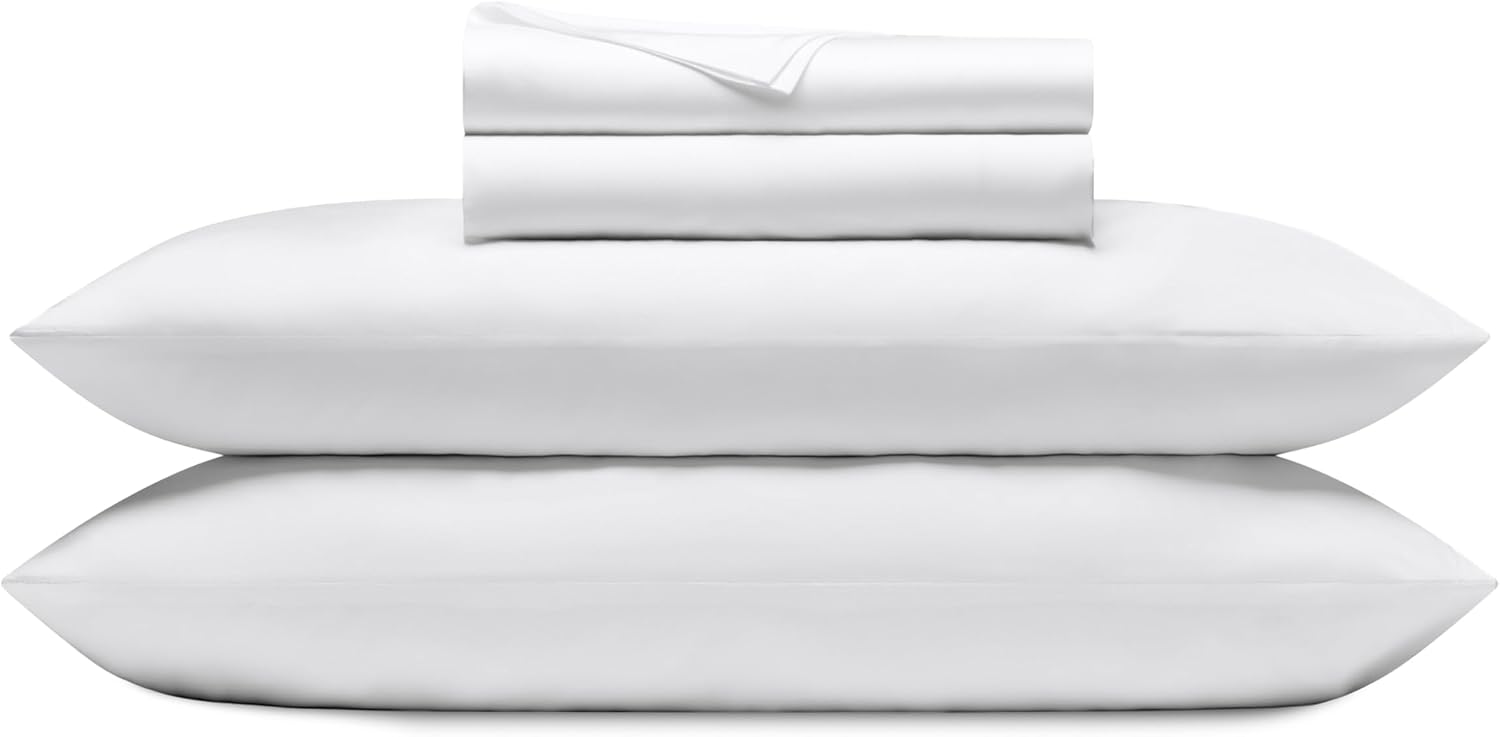
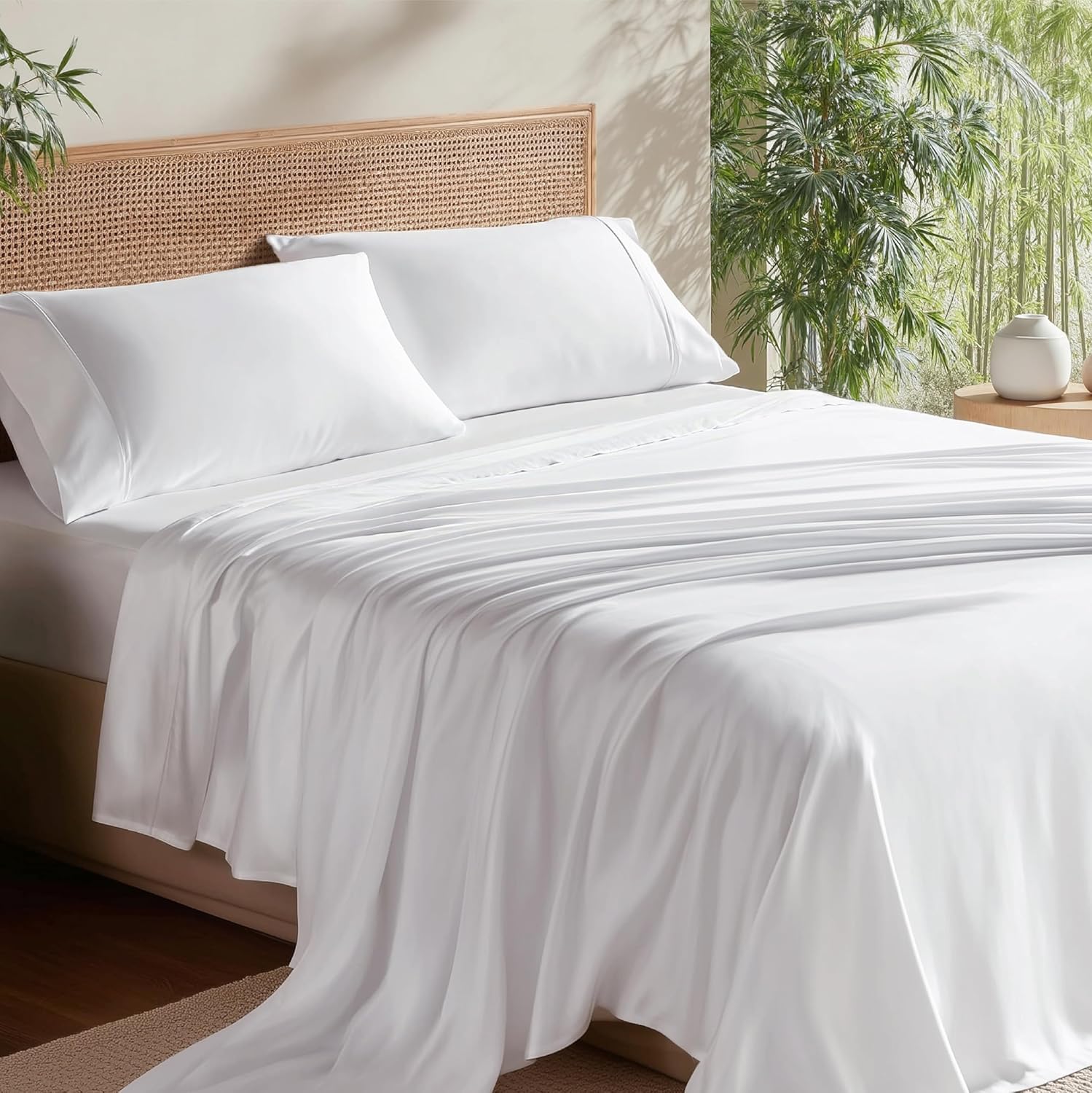
Bamboo viscose sheets are genuinely cooler than cotton for hot sleepers — the moisture-wicking and airflow advantage is real and noticeable. The key is choosing 100% bamboo viscose without polyester blending, and understanding that percale cotton is a legitimate budget alternative if bamboo isn't in your budget. Avoid sateen cotton and anything labeled "bamboo microfiber" — both sleep warmer than standard cotton for different reasons.